Thurber’s Wirelettuce: A Delicate Desert Native Worth Growing Responsibly
Meet Thurber’s wirelettuce (Stephanomeria thurberi), a charming perennial that proves desert plants can be both tough and beautiful. This slender native might not win any flashy flower contests, but it brings a subtle elegance to southwestern gardens that’s hard to match.
What Makes Thurber’s Wirelettuce Special
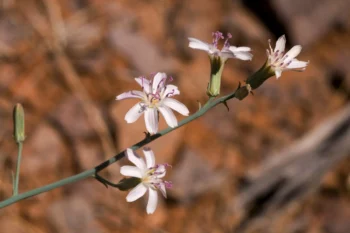
Don’t let the name fool you – this isn’t your typical leafy lettuce! Thurber’s wirelettuce is a delicate perennial forb that produces clusters of small, white to pale pink flower heads on thin, wiry stems. The plant gets its wirelettuce moniker from its thread-like stems and its membership in the sunflower family, which includes other plants with lettuce-like qualities.
As a native species found naturally in Arizona and New Mexico, this plant has spent thousands of years perfecting the art of desert survival. It’s a true southwestern original that brings authentic regional character to your landscape.
- Species observed
- No observations
Important Conservation Note
Before you rush out to plant Thurber’s wirelettuce, here’s something crucial to know: this species has a Global Conservation Status of S3S4, indicating it may be vulnerable in parts of its range. This means you should only grow it using responsibly sourced material from reputable native plant nurseries – never collect it from the wild.
Why Consider Growing Thurber’s Wirelettuce
If you can source it responsibly, here’s why this plant deserves a spot in your desert garden:
- Ultra drought-tolerant: Once established, it thrives with minimal water
- Pollinator magnet: Attracts native bees, butterflies, and other desert pollinators
- Low maintenance: Requires virtually no care once established
- Authentic desert beauty: Adds genuine southwestern character to landscapes
- Conservation value: Supports local ecosystems and native wildlife
Perfect Garden Settings
Thurber’s wirelettuce shines in specific garden styles where its subtle beauty can be appreciated:
- Desert gardens and xeriscapes
- Native plant gardens
- Rock gardens with southwestern themes
- Naturalistic landscapes
- Water-wise demonstration gardens
It works beautifully as an accent plant, adding vertical interest and delicate texture without overwhelming showier desert bloomers.
Growing Conditions and Care
Like most desert natives, Thurber’s wirelettuce has specific preferences that mirror its natural habitat:
Sunlight: Full sun is essential – this plant needs those intense southwestern rays to thrive.
Soil: Well-draining sandy or rocky soils work best. Heavy clay or constantly moist soils will likely kill it.
Water: Drought-tolerant once established, but benefits from occasional deep watering during extreme drought.
Climate: Best suited for USDA hardiness zones 7-10, matching its native southwestern range.
Planting and Care Tips
Success with Thurber’s wirelettuce comes down to mimicking its desert origins:
- Plant in fall: This gives roots time to establish before summer heat
- Improve drainage: Add coarse sand or gravel if your soil holds water
- Water sparingly: Deep, infrequent watering once established
- Avoid fertilizer: Desert soils are naturally low in nutrients, and this plant prefers it that way
- Give it space: Allow good air circulation to prevent moisture-related problems
Supporting Wildlife Responsibly
When you grow Thurber’s wirelettuce from responsibly sourced material, you’re creating habitat for native pollinators that have co-evolved with this plant. Small native bees and desert butterflies particularly appreciate its nectar, making your garden a valuable stepping stone in the broader ecosystem.
The Bottom Line
Thurber’s wirelettuce might not be the easiest native plant to find, but it’s worth the effort if you can source it responsibly. This delicate desert beauty offers authentic southwestern charm while supporting conservation efforts and native wildlife. Just remember – only purchase from reputable native plant sources, and never collect from wild populations. With proper care and responsible sourcing, you’ll have a unique piece of desert heritage growing in your own backyard.