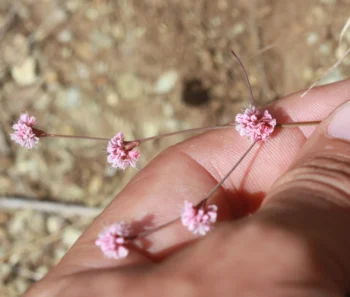
Tiburon Buckwheat: A Rare California Native Worth Growing
If you’re looking for a charming native plant that embodies the spirit of California’s wild landscapes, meet Tiburon buckwheat (Eriogonum luteolum var. caninum). This delightful annual wildflower might be small in stature, but it packs a big punch when it comes to supporting local ecosystems and adding natural beauty to your garden.
What Makes Tiburon Buckwheat Special
Tiburon buckwheat is a true California original—it’s endemic to the Golden State and grows nowhere else in the world. As an annual forb (that’s gardener-speak for a non-woody flowering plant), this little beauty completes its entire life cycle in just one growing season, making it perfect for gardeners who enjoy seasonal variety.
The plant produces clusters of tiny yellow flowers that create a delicate, airy appearance in the garden. Its branching structure gives it an almost cloud-like quality when in bloom, making it a wonderful addition to naturalistic plantings.
Where It Calls Home
This buckwheat variety is found exclusively in California, where it has adapted to the state’s Mediterranean climate and unique growing conditions. It’s particularly associated with the San Francisco Bay Area, including its namesake location near Tiburon.
- Species observed
- No observations
A Word About Rarity
Here’s something important to know: Tiburon buckwheat has a conservation status that indicates it’s quite rare in the wild. If you’re interested in growing this special plant, make sure you source seeds or plants from reputable native plant nurseries that practice responsible collection methods. Never collect seeds from wild populations—let’s keep those precious natural stands thriving for future generations!
Why Your Garden (and Local Wildlife) Will Love It
Tiburon buckwheat is like a magnet for beneficial insects. Native bees absolutely adore the tiny flowers, and you’ll likely spot butterflies and other pollinators visiting throughout the blooming season. Since it’s an annual, it provides that crucial early-season nectar when many perennial plants are just getting started.
From a design perspective, this plant shines in:
- Native plant gardens
- Rock gardens
- Mediterranean-style landscapes
- Drought-tolerant plantings
- Naturalized meadow areas
Growing Tiburon Buckwheat Successfully
The good news is that once you understand this plant’s needs, it’s relatively easy to grow. Think California native and you’re on the right track—it loves sun, hates soggy soil, and thrives with minimal fuss once established.
Perfect Growing Conditions
Tiburon buckwheat is happiest in USDA hardiness zones 9-10, which makes sense given its California origins. Here’s what it needs to thrive:
- Sunlight: Full sun is essential—at least 6-8 hours daily
- Soil: Well-draining soil is absolutely critical; it can’t tolerate soggy conditions
- Water: Drought-tolerant once established; minimal summer watering needed
- Climate: Prefers Mediterranean-type climate with dry summers
Planting and Care Tips
Since this is an annual, you’ll be starting fresh each year—but that’s part of the fun! Fall is typically the best time to direct sow seeds, allowing them to experience the natural winter chill they need for spring germination.
Here are some key tips for success:
- Scatter seeds on prepared soil in late fall
- Barely cover seeds—they need some light to germinate
- Water gently until germination, then reduce watering significantly
- Avoid fertilizing—native plants prefer lean soils
- Allow plants to self-seed for naturalistic colonies
Is Tiburon Buckwheat Right for Your Garden?
This charming native is perfect for gardeners who want to support local ecosystems while enjoying low-maintenance beauty. It’s especially suitable if you’re creating a California native garden, working with challenging dry soils, or want to attract beneficial insects to your landscape.
Just remember to source your plants responsibly given its rarity status, and enjoy watching this little piece of California’s natural heritage come to life in your garden. Your local pollinators will thank you, and you’ll have the satisfaction of growing something truly special that connects your garden to the wild landscapes of the Golden State.