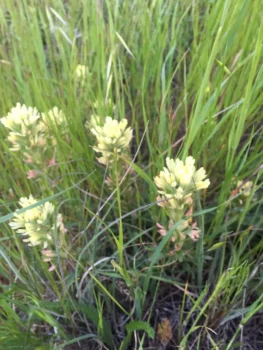
Tiburon Indian Paintbrush: A Rare California Native Worth Protecting
If you’re passionate about native plants and conservation, you’ve likely heard of Indian paintbrush flowers painting California’s landscapes with brilliant colors. But there’s one particular variety that deserves special attention – the Tiburon Indian paintbrush (Castilleja affinis neglecta). This isn’t just any wildflower; it’s one of California’s most endangered native plants, found in just one tiny corner of the Golden State.
What Makes This Plant Special?
The Tiburon Indian paintbrush is a perennial forb herb, meaning it’s a soft-stemmed plant that comes back year after year without developing woody tissue like shrubs or trees. As part of the paintbrush family, it’s known for its distinctive flower clusters, though this particular subspecies has become incredibly rare. Also known by its synonym Castilleja neglecta, this plant represents a unique piece of California’s botanical heritage.
Where Does It Call Home?
Here’s where things get really interesting – and concerning. The Tiburon Indian paintbrush is found only in California, specifically in an extremely limited range around the Tiburon Peninsula. When we say limited, we mean it! This plant has such a restricted distribution that it’s earned an endangered status in the United States.
- Species observed
- No observations
The Reality Check: Rarity Status
Important Conservation Alert: Before we dive into growing tips, let’s address the elephant in the room. The Tiburon Indian paintbrush is listed as Endangered, with a Global Conservation Status of S4S5T1. This means it’s at serious risk of extinction in the wild. If you’re considering adding this plant to your garden, it’s crucial that you only obtain specimens from responsibly sourced, legally propagated stock – never from wild populations.
Should You Grow Tiburon Indian Paintbrush?
This is a complex question with an important answer. While we absolutely encourage supporting endangered native plants, this should only be done through proper conservation channels. Here’s what you need to know:
- Only purchase from reputable native plant nurseries that specialize in rare species conservation
- Verify that any plants are legally propagated, not wild-collected
- Consider participating in official conservation programs instead of private cultivation
- Support habitat restoration efforts in the Tiburon Peninsula area
Growing Conditions and Care
While specific growing information for this endangered subspecies is limited due to its rarity, Indian paintbrushes generally prefer:
- Full sun exposure
- Well-draining soils
- Mediterranean climate conditions (likely USDA zones 9-10)
- Minimal summer water once established
Keep in mind that paintbrushes are often semi-parasitic, meaning they may benefit from growing near compatible host plants like native grasses.
Wildlife and Pollinator Benefits
Like other members of the paintbrush family, the Tiburon Indian paintbrush likely supports local pollinators, particularly hummingbirds and native bees. However, its extreme rarity means its ecological relationships are not as well-studied as more common species.
Consider These Alternatives
If you’re drawn to the idea of growing Indian paintbrush but want to avoid the complexities of working with an endangered species, consider these more common California native paintbrush species:
- Desert Indian paintbrush (Castilleja chromosa)
- Woolly Indian paintbrush (Castilleja foliolosa)
- Giant red Indian paintbrush (Castilleja miniata)
The Bottom Line
The Tiburon Indian paintbrush represents both the beauty and fragility of California’s native flora. While it’s a fascinating plant that deserves our admiration and protection, it’s not a casual garden addition. If you’re serious about conservation and have the expertise to work with rare plants, connect with local conservation organizations, botanical gardens, or specialized native plant societies. They can guide you toward appropriate ways to support this endangered species.
Remember, sometimes the best way to help a rare plant isn’t to grow it in our gardens, but to protect and restore its natural habitat. Every native plant we choose for our landscapes matters, and there are plenty of non-endangered California natives that can provide beauty and ecological benefits while we leave the rarest species to the experts.