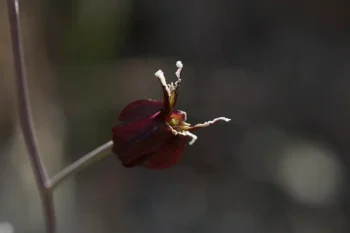
Tiburon Jewelflower: A Rare California Native Worth Protecting
If you’re a native plant enthusiast with a passion for conservation, the Tiburon jewelflower (Streptanthus niger) might just capture your heart—though growing it comes with some important considerations. This remarkable annual is one of California’s botanical treasures, but its extreme rarity means it requires our special attention and care.
What Makes Tiburon Jewelflower Special
The Tiburon jewelflower is a delicate annual forb that belongs to the mustard family. Don’t let the name fool you—while it’s called a jewelflower, this isn’t a flashy garden showstopper. Instead, it offers subtle beauty with small, deep purple to nearly black flowers that bloom on slender stems. Its understated charm lies in its rarity and ecological significance rather than bold visual impact.
You might also encounter this plant listed under its botanical synonym, Streptanthus glandulosus var. niger, but Streptanthus niger is the currently accepted name.
A California Endemic with a Tiny Range
This native plant species calls only California home, and even more specifically, it’s found exclusively in Marin County on the Tiburon Peninsula. Talk about being a local specialty! This incredibly restricted range makes the Tiburon jewelflower one of the most geographically limited plants in North America.
- Species observed
- No observations
Critical Conservation Status—Handle with Care
Important Conservation Alert: The Tiburon jewelflower carries a Global Conservation Status of S1, meaning it’s critically imperiled. In the United States, it’s classified as Endangered. With typically 5 or fewer occurrences and very few remaining individuals (less than 1,000), this plant teeters on the edge of extinction.
What does this mean for gardeners? If you’re interested in growing Tiburon jewelflower, you must only obtain seeds or plants from authorized, responsible sources—never collect from wild populations. Better yet, consider supporting conservation efforts rather than attempting to grow it in your garden.
Growing Conditions and Care
Should you obtain responsibly sourced material, Tiburon jewelflower thrives in:
- USDA Hardiness Zones 9-10 (Mediterranean climate conditions)
- Well-draining soils, particularly serpentine or clay substrates
- Full sun to partial shade exposure
- Dry conditions once established
- Minimal water during summer months
As an annual plant, it completes its entire life cycle in one year, germinating with fall or winter rains, growing through spring, flowering, setting seed, and dying back by summer.
Garden Role and Landscape Use
Given its rarity, the Tiburon jewelflower isn’t suitable for typical landscaping applications. However, it could serve important roles in:
- Specialized native plant collections
- Conservation gardens with educational purposes
- Rock gardens mimicking serpentine habitat
- Research or botanical institution plantings
Pollinator and Wildlife Benefits
Like other members of the mustard family, Tiburon jewelflower likely attracts small native bees and other pollinators during its blooming period. However, its primary ecological value lies in its role as part of California’s unique serpentine grassland ecosystem.
The Bottom Line
While the Tiburon jewelflower is undeniably fascinating, it’s not a plant for the average gardener. Its critically endangered status means it belongs primarily in conservation programs and specialized botanical collections. If you’re passionate about supporting California’s rare plants, consider donating to organizations working to protect the Tiburon Peninsula’s unique habitat or volunteer with local conservation groups.
For gardeners wanting to support native plants and pollinators, there are many other beautiful California natives that can provide similar aesthetic appeal without the conservation concerns. Your local native plant society can recommend appropriate alternatives that will thrive in your garden while supporting local ecosystems.