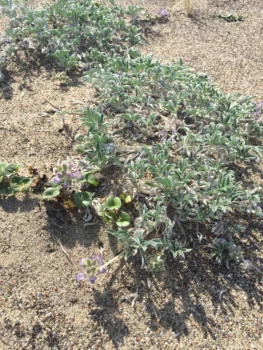
Tidestrom’s Lupine: A Rare Coastal Treasure Worth Protecting
If you’re lucky enough to garden along California’s coast, you might have heard whispers about Tidestrom’s lupine (Lupinus tidestromii var. layneae) – a stunning native wildflower that’s become something of a botanical unicorn. This perennial lupine is as beautiful as it is rare, making it both a gardener’s dream and a conservation concern.
What Makes Tidestrom’s Lupine Special?
Tidestrom’s lupine is a true California native, belonging exclusively to the Golden State’s coastal regions. This herbaceous perennial forb produces the classic lupine flower spikes we all adore – gorgeous purple-blue blooms that stand tall above distinctive palmate leaves. Like other lupines, it’s a member of the pea family and plays an important ecological role in its native habitat.
You might occasionally see this plant listed under its synonyms, Lupinus layneae or Lupinus littoralis var. layneae, but they’re all referring to the same special species.
Where Does It Grow?
This lupine calls California home, specifically thriving in coastal dune systems and sandy coastal areas. Its natural range is quite limited, which brings us to an important point about its conservation status.
- Species observed
- No observations
A Word of Caution: Rarity Matters
Here’s where things get serious, fellow gardeners. Tidestrom’s lupine carries a Global Conservation Status of S1T1, meaning it’s critically imperiled. This isn’t just another pretty wildflower – it’s a plant hanging on by a thread in the wild. Before you get excited about adding it to your garden, please understand the responsibility that comes with growing rare natives.
If you’re determined to grow this beauty, only obtain plants or seeds from reputable native plant nurseries that can guarantee responsibly sourced, legally collected material. Never collect from wild populations – that could push local populations closer to extinction.
Why Grow Tidestrom’s Lupine?
Despite the conservation concerns, there are compelling reasons to consider this lupine for the right garden:
- It’s perfectly adapted to coastal California’s challenging growing conditions
- Those classic lupine flower spikes are absolutely stunning in bloom
- It attracts native bees, butterflies, and other pollinators
- Excellent for erosion control on sandy slopes
- Once established, it’s quite drought tolerant
Is Your Garden a Good Fit?
Tidestrom’s lupine isn’t for everyone or every garden. It thrives in USDA hardiness zones 9-10, specifically in coastal California’s mild, Mediterranean climate. This lupine is perfect for:
- Coastal native plant gardens
- Sandy, well-draining xeriscapes
- Naturalized areas that mimic coastal dune habitat
- Gardens focused on supporting native pollinators
Growing Tidestrom’s Lupine Successfully
If you’ve sourced this rare beauty responsibly, here’s how to give it the best chance to thrive:
Site Selection: Choose a spot with full sun and excellent drainage. Sandy soil is ideal – this plant evolved in coastal dunes, after all. Avoid heavy clay or areas that stay wet.
Planting: Fall is the best time to direct seed, as the seeds need natural cold stratification. If planting seedlings, early spring works well once the soil has warmed slightly.
Watering: Water regularly the first year to help establishment, then scale back dramatically. Once established, this drought-tolerant native should only need occasional deep watering during extended dry periods.
Soil: Skip the fertilizers! Like other lupines, this species fixes its own nitrogen and actually prefers relatively poor soils. Rich, amended soil can lead to excessive foliage growth at the expense of flowers.
The Bottom Line
Tidestrom’s lupine is undeniably gorgeous and ecologically valuable, but its rarity means growing it comes with extra responsibility. If you’re passionate about supporting native biodiversity and can source plants ethically, it could be a meaningful addition to the right coastal garden. Just remember – with great beauty comes great responsibility, especially when dealing with our planet’s rarest plants.
Consider this lupine a privilege to grow, not just another garden plant. Your efforts could help ensure this coastal treasure continues to grace California’s landscapes for generations to come.