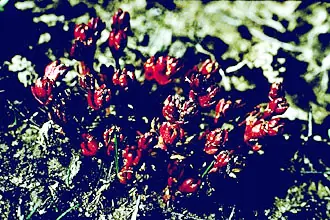
Tinytim: A Rare Native Gem You Probably Shouldn’t Grow
Meet tinytim (Geocarpon minimum), one of North America’s most elusive native plants. While its whimsical common name might make you smile, this tiny wildflower carries a serious conservation story that every native plant enthusiast should know about.
What Makes Tinytim Special
Tinytim is a perennial forb—essentially a soft-stemmed plant without woody tissue—that’s native to the lower 48 states. Don’t let its humble appearance fool you; this little plant is a true survivor, persisting in very specific habitats across a limited range.
As a forb, tinytim lacks significant woody growth and keeps its growing buds at or below ground level, helping it survive harsh conditions in its specialized habitat.
Where You’ll Find Tinytim (If You’re Lucky)
This rare native calls home to just four states: Arkansas, Louisiana, Missouri, and Texas. Its distribution is spotty even within these states, making encounters with wild tinytim incredibly special.
- Species observed
- No observations
Tinytim thrives in USDA hardiness zones 6-9, which aligns perfectly with its south-central native range.
The Conservation Reality Check
Here’s where things get serious: tinytim has a Global Conservation Status of S2, meaning it’s imperiled. With typically only 6 to 20 known occurrences and somewhere between 1,000 to 3,000 individuals remaining, this plant is in trouble. It’s even listed as Threatened, which puts it under legal protection.
What does this mean for gardeners? Simply put, tinytim isn’t a plant you should be trying to grow in your garden—even if you could find it.
Why Tinytim Isn’t Right for Your Garden
Beyond its rarity, tinytim has very specific habitat requirements that make it unsuitable for typical garden settings:
- Requires specialized sandy, disturbed soils that are difficult to replicate
- Has extremely specific growing conditions tied to its natural ecosystem
- Offers minimal aesthetic appeal with very small, inconspicuous flowers
- Provides limited benefits to pollinators due to its tiny blooms
Supporting Conservation Instead
Rather than trying to cultivate this rare species, here’s how you can help:
- Support habitat conservation efforts in Arkansas, Louisiana, Missouri, and Texas
- Choose other native plants from your region that aren’t threatened
- Learn about and advocate for rare plant protection
- Consider volunteering with local native plant societies or conservation groups
Better Native Alternatives
If you’re inspired by tinytim’s story and want to grow native plants that support conservation, consider these alternatives that are more garden-friendly and not at risk:
- Other native forbs from your specific region
- Local wildflowers that provide better pollinator support
- Native plants recommended by your state’s native plant society
The Bottom Line
Tinytim represents something precious in our natural world—a reminder that not every plant needs to be in our gardens to be valuable. Sometimes the best way to appreciate a native species is to protect it where it belongs: in the wild.
By understanding plants like tinytim and respecting their conservation status, we become better stewards of our native flora. Save your garden space for native plants that are abundant and well-suited to cultivation, and save your advocacy energy for protecting rare species like tinytim in their natural habitats.