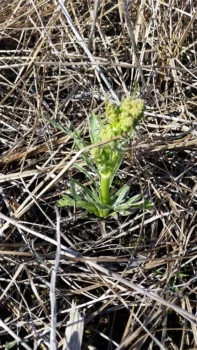
Tobacco Root: A Hidden Gem for Native Plant Enthusiasts
If you’ve been searching for an authentic native plant that brings both historical significance and ecological value to your garden, let me introduce you to tobacco root (Valeriana edulis var. ciliata). This unassuming perennial forb might not be the showiest plant in your garden center, but it’s packed with character and deserves a spot in native plant collections across the Midwest and Great Lakes region.
What Exactly is Tobacco Root?
Don’t let the name fool you – tobacco root isn’t actually related to tobacco at all! This native perennial belongs to the valerian family and gets its common name from indigenous peoples who traditionally used its roots. Scientifically known as Valeriana edulis var. ciliata, this herbaceous forb lacks any significant woody tissue, making it a true soft-stemmed garden resident that dies back to the ground each winter and returns faithfully each spring.
Where Does Tobacco Root Call Home?
Tobacco root is a proud native of both Canada and the United States, with a distribution that spans across the Great Lakes region and upper Midwest. You’ll find this plant naturally occurring in Ontario, Illinois, Indiana, Iowa, Michigan, Minnesota, Ohio, and Wisconsin. This makes it an excellent choice for gardeners in these areas who want to support local ecosystems with truly indigenous plants.
- Species observed
- No observations
Why Consider Growing Tobacco Root?
Here’s where tobacco root really shines as a garden addition:
- Authentic native credentials: This isn’t just native somewhere – it’s native to your specific region
- Low maintenance: As a native plant, it’s naturally adapted to local growing conditions
- Historical significance: You’re growing a plant with deep cultural roots in North American history
- Ecological support: Native plants provide the best support for local wildlife and pollinators
- Perennial reliability: Once established, it returns year after year
Garden Design and Landscape Role
Tobacco root works beautifully in several garden settings:
- Native plant gardens: A must-have for authentic regional collections
- Prairie restorations: Fits perfectly into grassland reconstruction projects
- Naturalized areas: Excellent for low-maintenance, natural-looking landscapes
- Historical gardens: Perfect for heritage or educational plantings
Growing Conditions and Care
While specific cultivation information for this variety is limited in horticultural literature, we can draw from its native habitat preferences. Tobacco root typically thrives in conditions similar to other Great Lakes region natives:
- Soil: Likely prefers well-draining soils, possibly with some moisture retention
- Light: Probably adaptable to partial shade to full sun conditions
- Hardiness: Being native to northern regions, it should be quite cold-hardy
- Maintenance: Minimal care required once established
The Reality Check
Here’s the honest truth: tobacco root isn’t going to be your garden’s knockout beauty queen. This is a plant you choose for its ecological value, historical significance, and native authenticity rather than dramatic visual impact. It’s perfect for gardeners who prioritize supporting local ecosystems over flashy blooms.
Getting Started with Tobacco Root
Finding tobacco root might require some detective work, as it’s not commonly available in mainstream nurseries. Your best bets include:
- Native plant societies in your region
- Specialized native plant nurseries
- Native plant sales and swaps
- Conservation organizations
When you do find it, plant it in spring after the last frost date for your area. Give it time to establish – native plants often focus on root development in their first year before putting on much top growth.
Final Thoughts
Tobacco root represents the quiet heroes of the native plant world. It may not demand attention with showy flowers or dramatic foliage, but it offers something perhaps more valuable: an authentic connection to the natural heritage of the Great Lakes region. For gardeners committed to ecological stewardship and historical authenticity, tobacco root deserves serious consideration.
Remember, choosing native plants like tobacco root isn’t just about what they can do for your garden – it’s about what your garden can do for the broader ecosystem. Every native plant you establish is a small victory for local wildlife, pollinators, and the preservation of regional plant communities.