Todsen’s False Pennyroyal: A Rare Native Gem Worth Protecting
Meet Todsen’s false pennyroyal (Hedeoma todsenii), a tiny treasure that’s as rare as it is remarkable. This diminutive native herb might not win any beauty contests, but it holds a special place in the hearts of conservation-minded gardeners and native plant enthusiasts. Before you get too excited about adding it to your garden, though, there’s something important you need to know about this little plant’s precarious situation.
A Plant on the Edge
Here’s the sobering reality: Todsen’s false pennyroyal is classified as Endangered in the United States, with a Global Conservation Status of S2, meaning it’s imperiled due to extreme rarity. With typically only 6 to 20 known occurrences and possibly as few as 1,000 to 3,000 individual plants remaining, this species is fighting for survival. If you’re considering growing this plant, please only do so with responsibly sourced material from reputable native plant nurseries or conservation programs.
Where in the World?
This endemic beauty calls New Mexico home – and only New Mexico. Specifically, you’ll find it clinging to life in the Sandia Mountains, making it one of the state’s most geographically restricted native plants. Its entire world consists of this single mountain range, which explains why it’s so vulnerable to habitat loss and environmental changes.
- Species observed
- No observations
What Does It Look Like?
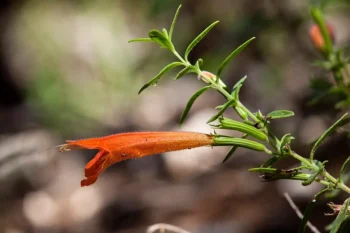
Todsen’s false pennyroyal is a perennial forb herb, which is a fancy way of saying it’s a non-woody plant that comes back year after year. Don’t expect a showstopper – this modest little herb stays close to the ground and produces tiny white to pale purple flowers that are more charming than spectacular. What it lacks in size, it makes up for in aromatic appeal, releasing a pleasant minty fragrance when brushed against.
Garden Role and Landscape Use
This isn’t your typical garden center find, and honestly, that’s probably for the best given its conservation status. If you do manage to obtain responsibly sourced plants, Todsen’s false pennyroyal works beautifully in:
- Native plant collections and conservation gardens
- Rock gardens with excellent drainage
- Xeriscape designs focused on water conservation
- Educational gardens highlighting rare southwestern flora
Growing Conditions
Like many mountain natives, this little herb has specific preferences that mirror its natural habitat:
- Sunlight: Full sun to partial shade
- Soil: Well-draining soils are absolutely essential – think rocky, gravelly, or sandy
- Water: Drought-tolerant once established; avoid overwatering
- Climate: Hardy in USDA zones 5-8
Planting and Care Tips
If you’re lucky enough to grow this rare gem, here’s how to keep it happy:
- Plant in spring after the last frost
- Ensure excellent drainage – this is non-negotiable
- Water sparingly; once established, natural rainfall should suffice in most areas
- Avoid fertilizers, which can harm native plants adapted to lean soils
- Mulch lightly with gravel or small stones rather than organic mulch
Benefits to Wildlife
Despite its small stature, Todsen’s false pennyroyal punches above its weight when it comes to supporting local ecosystems. Its tiny flowers attract native bees, small butterflies, and other pollinators that specialize in visiting diminutive blooms. Every plant counts when supporting the intricate web of mountain wildlife.
The Bottom Line
Should you grow Todsen’s false pennyroyal? Only if you can source it responsibly and are committed to its conservation. This isn’t a plant for casual gardeners or impulse purchases. It’s a living piece of New Mexico’s natural heritage that deserves our respect and protection. If you can’t find responsibly sourced material, consider supporting conservation efforts or growing other native New Mexican plants that aren’t quite so precarious.
For those dedicated to rare plant conservation, successfully growing Todsen’s false pennyroyal can be incredibly rewarding. You’ll be doing your part to preserve a unique piece of southwestern biodiversity while enjoying the quiet charm of one of nature’s smaller masterpieces.