Tomcat Clover: A Hardy Native Wildflower for Western Gardens
If you’re looking for a low-maintenance native wildflower that punches above its weight in the garden, let me introduce you to tomcat clover (Trifolium willdenovii). This charming little annual might not win any beauty contests, but it’s got personality and some serious ecological benefits that make it worth considering for your native plant garden.
What is Tomcat Clover?
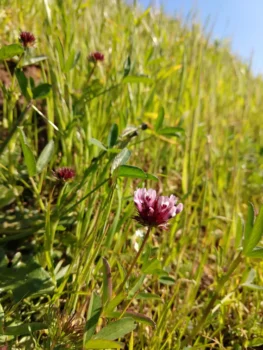
Tomcat clover is a native annual forb that belongs to the legume family. Like other clovers, it features the classic three-leaflet leaves (trifoliate) and produces small, compact flower heads. The flowers are typically white to pale pink and appear in rounded clusters that sit close to the ground. Don’t expect towering height from this one – tomcat clover keeps a low profile, making it perfect for ground cover situations.
You might also see this plant listed under its synonyms, including Trifolium tridentatum, as botanical names sometimes get shuffled around as scientists learn more about plant relationships.
Where Does Tomcat Clover Grow Naturally?
This hardy little clover is a true westerner, native to both Canada and the western United States. You’ll find it growing naturally across British Columbia, Arizona, California, Idaho, Oregon, and Washington. That’s quite a range, which tells you something important about this plant – it’s adaptable!
- Species observed
- No observations
Why Grow Tomcat Clover in Your Garden?
Here are some compelling reasons to give tomcat clover a spot in your landscape:
- Native plant benefits: As a true native, it supports local ecosystems and wildlife
- Pollinator magnet: The small flowers attract bees, butterflies, and other beneficial insects
- Nitrogen fixation: Like other legumes, it actually improves soil by fixing nitrogen from the air
- Low maintenance: Once established, it requires minimal care
- Erosion control: Its spreading habit helps stabilize soil
- Adaptable: Tolerates various growing conditions
Where Does Tomcat Clover Fit in Your Landscape?
This versatile little plant works well in several garden settings:
- Native plant gardens and wildflower meadows
- Naturalized areas where you want low-maintenance ground cover
- Slopes and areas prone to erosion
- Transitional zones between cultivated and wild areas
- Wildlife habitat gardens
Growing Conditions and Care
One of tomcat clover’s best qualities is its adaptability. Its wetland status varies by region – it’s considered a facultative wetland plant in arid western areas (meaning it usually grows in wet spots but can handle drier conditions) and facultative upland in mountainous and coastal regions (preferring drier sites but tolerating some moisture).
Here’s what tomcat clover needs to thrive:
- Sun exposure: Full sun to partial shade
- Soil: Adaptable to various soil types
- Water: Moderate water needs; drought tolerant once established
- Climate zones: Suitable for USDA zones 4-9
Planting and Care Tips
Growing tomcat clover is refreshingly straightforward:
- Planting time: Sow seeds in fall or early spring
- Seeding: Direct sow seeds where you want them to grow
- Spacing: Scatter seeds and let them naturalize
- Watering: Provide regular water until established, then reduce
- Maintenance: Minimal – just let it do its thing!
As an annual, tomcat clover will complete its life cycle in one growing season, but if conditions are right, it may self-seed and return the following year.
The Bottom Line
Tomcat clover might not be the showiest plant in your garden, but it’s definitely one of the hardest working. If you’re building habitat for pollinators, want to improve your soil naturally, or need a low-maintenance ground cover for challenging spots, this native annual deserves serious consideration. Plus, there’s something satisfying about growing a plant that truly belongs in your local ecosystem – it’s like giving your garden a piece of its natural heritage.