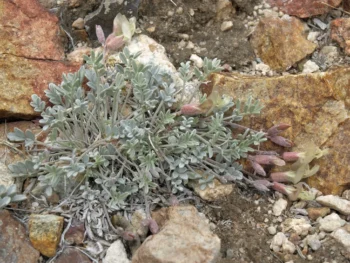
Torrey’s Milkvetch: A Hardy Native Wildflower for Water-Wise Gardens
If you’re looking to add some authentic western charm to your garden while supporting local ecosystems, Torrey’s milkvetch (Astragalus calycosus var. calycosus) might just be the unsung hero your landscape needs. This perennial native wildflower brings the rugged beauty of the American West right to your backyard, and it does so with remarkably little fuss.
What Makes Torrey’s Milkvetch Special?
Torrey’s milkvetch is a true native of the western United States, naturally occurring across nine states including Arizona, California, Colorado, Idaho, Nevada, New Mexico, Oregon, Utah, and Wyoming. As a member of the pea family (Fabaceae), this hardy perennial produces the characteristic small, clustered flowers that legumes are known for, typically in shades of purple to pink.
- Species observed
- No observations
What sets this plant apart is its incredible adaptation to harsh, arid conditions. Having evolved in the challenging environments of the American West, Torrey’s milkvetch has developed the kind of drought tolerance that makes water-conscious gardeners swoon.
Garden Design and Landscape Role
This native wildflower shines in several garden settings:
- Native plant gardens where authenticity matters
- Xeriscaping and drought-tolerant landscapes
- Rock gardens and naturalized areas
- Wildlife-friendly spaces focused on supporting local ecosystems
While Torrey’s milkvetch may not be the showiest plant in your garden, it serves as an excellent supporting player, providing texture and subtle color while requiring minimal resources.
Pollinator and Wildlife Benefits
Like many members of the pea family, Torrey’s milkvetch offers valuable nectar and pollen sources for native bees and other pollinators. The flowers’ structure is particularly well-suited to native bee species that have co-evolved with western legumes. Additionally, as a nitrogen-fixing plant, it actually improves soil health for neighboring plants.
Growing Conditions and Care
One of the best things about Torrey’s milkvetch is how easy it is to please, provided you give it what it naturally prefers:
Ideal Conditions:
- Sunlight: Full sun exposure
- Soil: Well-draining soils; avoid heavy, waterlogged conditions
- Water: Drought tolerant once established; minimal supplemental watering needed
- Hardiness: Generally hardy in USDA zones 4-8, depending on your specific location
Planting and Care Tips:
- Plant in spring after the last frost date
- Ensure excellent drainage – this is critical for success
- Water regularly during the first growing season to help establishment
- Once established, reduce watering significantly; overwatering is more harmful than drought
- No fertilizer needed – this plant actually prefers lean soils
- Minimal pruning required; allow natural growth habit
Is Torrey’s Milkvetch Right for Your Garden?
This native wildflower is an excellent choice if you:
- Live within its native range and want to support local ecosystems
- Are creating a water-wise or drought-tolerant landscape
- Appreciate subtle, naturalistic beauty over flashy displays
- Want to support native pollinators
- Prefer low-maintenance plants that thrive with minimal intervention
However, you might want to consider other options if you’re looking for a bold focal point or need a plant for consistently moist conditions.
A Note on Sourcing
When adding Torrey’s milkvetch to your garden, seek out reputable native plant nurseries or seed suppliers that offer locally-sourced material. This ensures you’re getting plants adapted to your specific region and supporting responsible harvesting practices.
Torrey’s milkvetch may not be the most glamorous native plant, but it embodies the resilient spirit of the American West while providing genuine ecological benefits. For gardeners looking to create sustainable, wildlife-friendly landscapes that celebrate regional character, this humble milkvetch deserves serious consideration.