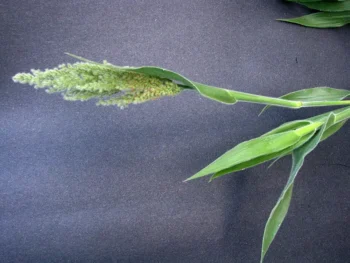
Torrid Panicgrass: A Vulnerable Hawaiian Native Worth Protecting
Meet torrid panicgrass (Panicum torridum), a delicate Hawaiian endemic that’s as rare as it is beautiful. This perennial grass might not be the showiest plant in your garden, but it carries the unique distinction of being found nowhere else on Earth except the Hawaiian Islands. If you’re passionate about native plants and conservation, this little grass deserves a spot on your radar.
What Makes Torrid Panicgrass Special?
Torrid panicgrass is a true Hawaiian native, belonging to the diverse panic grass family. Like many island endemics, it has evolved to thrive in Hawaii’s unique climate and growing conditions. This perennial grass forms part of Hawaii’s precious native ecosystem, which has faced significant pressures from introduced species and habitat loss over the centuries.
You might also see this plant listed under its botanical synonyms Panicum havaiense or Panicum nubigenum in older botanical references, but Panicum torridum is the accepted scientific name today.
Where Does It Grow?
This grass is exclusively found in Hawaii, making it a true island endemic. Its natural habitat is limited to specific locations within the Hawaiian Islands, typically in higher elevation areas where conditions suit its particular needs.
- Species observed
- No observations
A Plant That Needs Our Help
Here’s where things get serious: torrid panicgrass has a Global Conservation Status of S3, which means it’s considered vulnerable. With only an estimated 21 to 100 occurrences and between 3,000 to 10,000 individual plants remaining in the wild, this grass is hanging on by a thread. Habitat loss, invasive species, and other environmental pressures have pushed this once more common species into a precarious position.
If you’re considering adding torrid panicgrass to your garden, this conservation status comes with both opportunity and responsibility. Growing rare native plants can be an important part of conservation efforts, but only when done ethically.
Should You Grow Torrid Panicgrass?
The short answer: Only if you can source it responsibly and you’re committed to proper care.
Because of its vulnerable status, you should never collect torrid panicgrass from the wild. Instead, look for:
- Seeds or plants from reputable native plant societies
- Botanical gardens with conservation programs
- Licensed native plant nurseries in Hawaii
- Seed swaps with documented, ethically sourced material
Growing this grass isn’t just about adding another species to your collection—it’s about participating in conservation. Every responsibly grown plant represents a backup population and potential source for future restoration efforts.
Growing Conditions and Care
As a Hawaiian endemic, torrid panicgrass thrives in USDA hardiness zones 10-11, which limits cultivation primarily to Hawaii, southern Florida, and similar tropical climates. Like most native Hawaiian plants, it likely prefers:
- Well-draining soil
- Adequate moisture without waterlogging
- Protection from harsh winds
- Growing conditions that mimic its natural habitat
Because detailed cultivation information is limited (a common challenge with rare natives), success may require some experimentation and observation. Start with conditions similar to other Hawaiian native grasses and adjust based on how your plant responds.
Garden Design and Landscape Role
Torrid panicgrass works best in specialized settings rather than general landscape use:
- Native Hawaiian plant gardens
- Conservation collections
- Educational displays about Hawaiian endemics
- Restoration projects (with proper permits)
This isn’t a grass for large lawn areas or high-traffic landscapes. Instead, think of it as a botanical treasure that deserves a special spot where its story can be appreciated and its conservation needs respected.
The Bottom Line
Torrid panicgrass represents both the beauty and fragility of Hawaii’s native plant life. While it may not offer the immediate gratification of faster-growing, showier plants, it provides something more valuable: a connection to Hawaii’s unique natural heritage and an opportunity to participate in conservation.
If you decide to grow torrid panicgrass, approach it with the respect it deserves. Source it ethically, provide appropriate care, and consider sharing seeds or divisions with other conservation-minded gardeners. Every plant grown responsibly is a small victory for this vulnerable species.
Remember, conservation starts in our own backyards. By choosing to grow and protect rare natives like torrid panicgrass, we become part of the solution to Hawaii’s biodiversity crisis, one small grass at a time.