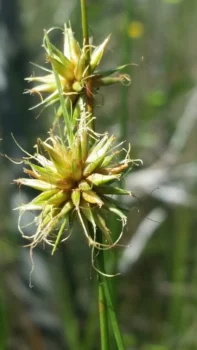
Tracy’s Beaksedge: A Rare Native Sedge for Wetland Gardens
If you’re passionate about native plants and wetland restoration, you might want to know about Tracy’s beaksedge (Rhynchospora tracyi), a fascinating but elusive sedge that calls the southeastern United States home. This perennial grass-like plant might not win any beauty contests, but it plays a crucial role in our native wetland ecosystems.
What Is Tracy’s Beaksedge?
Tracy’s beaksedge belongs to the sedge family (Cyperaceae), making it a grass-like plant rather than a true grass. Like other sedges, it has that distinctive triangular stem that helps separate it from its grassy cousins. This perennial plant is native to the lower 48 states and has adapted specifically to wetland environments.
Where Does It Grow Naturally?
This southeastern native can be found growing wild in Alabama, Florida, Georgia, Louisiana, Mississippi, North Carolina, South Carolina, and Texas. It’s particularly associated with the Atlantic and Gulf Coastal Plain regions, where it thrives in consistently wet conditions.
- Species observed
- No observations
A Plant Worth Protecting
Here’s where things get important: Tracy’s beaksedge is rare. In Alabama, it carries an S1 rarity status, meaning it’s critically imperiled in that state. This classification should make any native plant enthusiast take notice – we’re dealing with a species that needs our protection and thoughtful stewardship.
If you’re considering adding this plant to your garden, please ensure you’re sourcing it responsibly from reputable native plant nurseries that propagate rather than wild-collect their stock. Never collect plants from the wild, especially rare species like this one.
Growing Conditions and Habitat Needs
Tracy’s beaksedge is what botanists call an obligate wetland species in the Atlantic and Gulf Coastal Plain region. This fancy term simply means it almost always occurs in wetlands – it’s not just moisture-loving, it’s moisture-dependent.
If you want to grow this sedge successfully, you’ll need to provide:
- Consistently moist to saturated soil conditions
- Full sun to partial shade
- Acidic, organic-rich wetland soils
- USDA hardiness zones 8-10
Is It Right for Your Garden?
Tracy’s beaksedge isn’t for every gardener or every garden. This specialized plant is best suited for:
- Wetland restoration projects
- Rain gardens and bioswales
- Bog or marsh gardens
- Native plant conservation efforts
- Educational or demonstration landscapes
Don’t expect showy flowers or dramatic foliage – this sedge is more about ecological function than ornamental appeal. Its small, brownish flower clusters and narrow leaves won’t create stunning visual displays, but they will provide authentic habitat for native wildlife.
Planting and Care Tips
If you decide to grow Tracy’s beaksedge, remember these key points:
- Plant in spring when soil temperatures are warming
- Ensure your planting site stays consistently moist year-round
- Minimal fertilization needed – wetland soils are typically nutrient-rich
- Once established, it requires very little maintenance
- Allow natural dormancy periods
Wildlife and Pollinator Benefits
While Tracy’s beaksedge may not be a major pollinator magnet (it’s primarily wind-pollinated like most sedges), it does contribute to the overall health of wetland ecosystems. Native sedges provide habitat structure and food sources for various wetland-dependent wildlife species.
The Bottom Line
Tracy’s beaksedge is a plant for the dedicated native plant gardener who has the right conditions and conservation mindset. Its rarity makes it a plant to grow responsibly, and its specific habitat needs make it challenging for casual gardeners. However, if you’re working on wetland restoration or have a genuine bog garden situation, this little sedge could be a meaningful addition to your conservation efforts.
Remember, growing rare native plants is as much about stewardship as it is about gardening. If you choose to grow Tracy’s beaksedge, you’re participating in the important work of preserving our native botanical heritage.