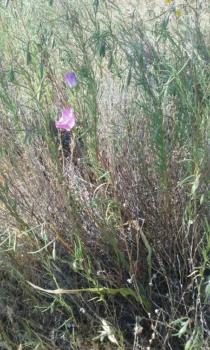
Tracy’s Clarkia: A Rare California Native Worth Seeking Out
If you’re on the hunt for truly unique California native plants, Tracy’s clarkia (Clarkia gracilis tracyi) might just be the hidden gem you’ve been looking for. This delicate annual wildflower represents a special variety of the graceful clarkia, named after someone who clearly had an eye for botanical beauty.
What Makes Tracy’s Clarkia Special
Tracy’s clarkia is a native annual forb that calls California home. As a member of the evening primrose family, this plant brings that characteristic wildflower charm to any garden lucky enough to host it. Like other clarkias, it’s classified as a forb – essentially a non-woody flowering plant that completes its entire life cycle in a single growing season.
You might occasionally see this plant listed under its synonym, Godetia cylindrica var. tracyi, which reflects some of the taxonomic shuffling that happens in the botanical world. Don’t let the name changes fool you though – it’s the same lovely plant regardless of what the scientists decide to call it.
Where You’ll Find Tracy’s Clarkia
This California native has a limited geographic distribution, found only within the Golden State. Its restricted range makes it something of a botanical treasure – not rare enough to be endangered, but special enough that you won’t find it growing wild just anywhere.
- Species observed
- No observations
Why Grow Tracy’s Clarkia in Your Garden
Here’s why Tracy’s clarkia deserves a spot in your native plant garden:
- True California heritage: This is an authentic piece of California’s botanical legacy
- Low maintenance: As an annual, it does its thing and completes its cycle without fuss
- Wildflower appeal: Perfect for naturalized areas and wildflower meadows
- Pollinator friendly: Like other clarkias, likely supports native bees and small butterflies
- Conversation starter: Your gardening friends probably haven’t heard of this one
The Challenge: Finding Tracy’s Clarkia
Here’s where things get interesting – Tracy’s clarkia isn’t exactly available at your local nursery. This particular variety is uncommon in cultivation, which means you’ll need to do some detective work to locate seeds or plants. Your best bets are:
- Native plant societies and seed swaps
- Specialty native plant nurseries
- Botanical gardens with seed collection programs
- Online native plant retailers (though availability may be sporadic)
If you do find Tracy’s clarkia, make sure you’re getting it from a reputable source that practices responsible collection methods.
Growing Tracy’s Clarkia Successfully
While specific growing information for this variety is limited, you can follow general clarkia cultivation practices:
When to plant: Direct sow seeds in fall for spring germination, mimicking nature’s timeline.
Where to plant: Choose a sunny location with well-draining soil. These California natives don’t appreciate wet feet, especially during their dormant season.
Soil preferences: Most clarkias prefer moderately fertile, well-drained soil. Avoid overly rich conditions which can lead to excessive foliage at the expense of flowers.
Water needs: Provide regular water during the growing season, but allow soil to dry out as the plant completes its cycle.
Design Ideas for Your Garden
Tracy’s clarkia works beautifully in:
- Wildflower meadows: Mix with other California native annuals
- Rock gardens: Its delicate form complements sturdy perennials
- Native plant borders: Use as seasonal color among evergreen natives
- Container gardens: Perfect for showcasing this special plant
The Bottom Line
Tracy’s clarkia might not be the easiest native plant to find, but that’s part of its charm. If you’re passionate about preserving California’s botanical heritage and enjoy the thrill of growing something truly special, this rare beauty is worth the hunt. Just remember to source it responsibly and maybe save some seeds to share with fellow native plant enthusiasts – after all, the best way to ensure these botanical treasures survive is to grow them with love and pass them along.
Who knows? You might just become the go-to person in your gardening community for this delightful California native. And honestly, there are worse reputations to have in the plant world.