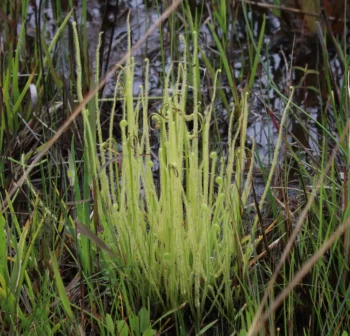
Tracy’s Sundew: A Fascinating Native Carnivorous Plant for Your Garden
Meet Tracy’s sundew (Drosera tracyi), one of nature’s most intriguing little predators! This native carnivorous plant might be small, but it packs a big punch when it comes to garden interest. If you’re looking to add something truly unique to your landscape while supporting native biodiversity, this fascinating forb might just be the perfect conversation starter.
What Makes Tracy’s Sundew Special?
Tracy’s sundew is a perennial forb that belongs to the incredible world of carnivorous plants. Don’t worry – it won’t bite you! This plant has evolved to catch and digest small insects using sticky droplets that cover its thread-like leaves. These glistening droplets look like morning dew (hence the name sundew), creating a beautiful, jewel-like appearance that adds unexpected sparkle to bog gardens.
The plant produces delicate pink or white flowers on tall, slender stalks that rise above the foliage, adding vertical interest and a touch of elegance to its somewhat alien appearance.
Where Tracy’s Sundew Calls Home
This native beauty is naturally found across several southeastern states, including Alabama, Florida, Georgia, Louisiana, Mississippi, and Texas, with some populations also documented in California. As a true native of the lower 48 states, Tracy’s sundew has adapted perfectly to specific wetland environments in these regions.
- Species observed
- No observations
The Perfect Garden Match
Tracy’s sundew isn’t your typical garden center find, and that’s exactly what makes it so special! This plant is ideal for:
- Bog gardens and water features
- Carnivorous plant collections
- Native wetland restoration projects
- Educational gardens focusing on unique plant adaptations
- Container water gardens
Its role in the landscape is primarily as a specialty accent plant that serves both aesthetic and ecological purposes. While small in stature, it creates incredible visual interest and serves as a natural pest control method for tiny flying insects.
Growing Conditions: What Tracy’s Sundew Craves
As an obligate wetland plant, Tracy’s sundew has very specific needs that mirror its natural bog habitat:
- Water: Constantly moist to saturated conditions – think bog, not drought!
- Light: Full sun to partial shade
- Soil: Acidic, nutrient-poor soil (sphagnum peat moss works perfectly)
- Humidity: High humidity levels
- Climate: Thrives in USDA hardiness zones 8-10
Planting and Care Tips
Growing Tracy’s sundew successfully requires mimicking its natural wetland environment:
- Use only distilled water, rainwater, or reverse osmosis water – tap water can harm these sensitive plants
- Plant in a mix of sphagnum peat moss and perlite for proper drainage and acidity
- Never let the soil dry out; keep it consistently saturated
- Avoid fertilizers – remember, this plant gets its nutrients from insects!
- Provide bright light but protect from intense afternoon sun in hot climates
- Consider growing in containers to better control growing conditions
Important Conservation Note
Tracy’s sundew has a Global Conservation Status of S3S4, indicating it may be somewhat uncommon to apparently secure across its range. If you’re interested in growing this unique native plant, please only purchase from reputable sources that propagate plants responsibly rather than collecting from wild populations. This ensures we can enjoy these fascinating plants while protecting their natural habitats.
Wildlife and Pollinator Benefits
While Tracy’s sundew primarily feeds on small insects rather than attracting them for pollination, its tiny flowers do provide nectar for very small flying insects. The plant serves as both predator and provider in the ecosystem, helping control pest insects while offering resources to beneficial ones.
Is Tracy’s Sundew Right for Your Garden?
This plant is perfect for gardeners who love unique, native species and don’t mind meeting some specific growing requirements. It’s ideal for those with bog gardens, water features, or anyone interested in carnivorous plants. However, if you’re looking for a low-maintenance, drought-tolerant option, this wetland specialist probably isn’t the best choice.
Tracy’s sundew offers the perfect combination of native plant benefits, unique aesthetic appeal, and fascinating natural behavior. With proper care and responsibly sourced plants, you can enjoy this remarkable native carnivorous plant while supporting local ecosystems and biodiversity.