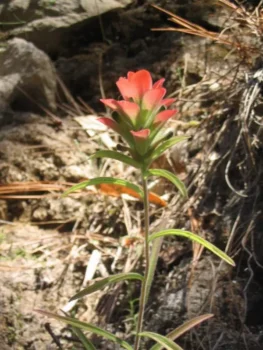
Trans-Pecos Indian Paintbrush: A Rare Southwestern Gem Worth Protecting
If you’ve ever dreamed of adding a splash of fiery color to your desert garden, the Trans-Pecos Indian paintbrush (Castilleja nervata) might seem like the perfect choice. This stunning native wildflower brings brilliant red-orange blooms to the arid landscapes of the American Southwest, but before you rush to plant it, there are some important things you should know about this rare beauty.
What Makes This Plant Special?
Trans-Pecos Indian paintbrush is a perennial forb – essentially an herbaceous flowering plant that lacks woody stems but comes back year after year. Like other members of the Castilleja genus, it’s known for its show-stopping tubular flowers that look like someone dipped a paintbrush in bright red-orange paint. The flowers typically bloom from spring through summer, creating a vibrant display that’s hard to ignore.
This plant is also known by the scientific synonym Castilleja cruenta, though Castilleja nervata is the accepted name today.
Where Does It Call Home?
As a native species of the lower 48 states, Trans-Pecos Indian paintbrush has naturally adapted to life in Arizona’s challenging desert conditions. Its name gives away its geographic preference – the Trans-Pecos region, which encompasses parts of Arizona and extends into neighboring areas of the Southwest.
- Species observed
- No observations
The Rarity Reality Check
Here’s where things get serious: Trans-Pecos Indian paintbrush has a Global Conservation Status of S3Q, indicating it’s a species of conservation concern with some uncertainty about its exact status. This means if you’re considering adding it to your garden, you need to be extremely careful about sourcing.
Important: Only obtain this plant from reputable native plant nurseries that can guarantee their stock is responsibly propagated, not collected from wild populations. Better yet, consider supporting conservation efforts rather than attempting to grow it in your garden.
Garden Appeal and Landscape Role
In the right setting, Trans-Pecos Indian paintbrush can be a stunning addition to:
- Native plant gardens
- Desert and xeriscaping projects
- Naturalized wildflower areas
- Wildlife-friendly landscapes
The plant serves as more than just eye candy – its tubular flowers are perfectly designed to attract hummingbirds and butterflies, making it a valuable addition to pollinator gardens.
Growing Conditions and Challenges
If you do decide to grow Trans-Pecos Indian paintbrush (with responsibly sourced plants), be prepared for a challenge. Like many Castilleja species, this plant can be notoriously difficult to cultivate and may have hemiparasitic tendencies, meaning it partially relies on other plants for nutrition.
The plant thrives in:
- Full sun locations
- Well-draining, sandy or rocky soils
- Low-water conditions once established
- USDA hardiness zones likely ranging from 7-10
Planting and Care Tips
Growing Trans-Pecos Indian paintbrush requires patience and the right approach:
- Plant in fall to allow establishment before hot weather
- Ensure excellent drainage – waterlogged soil is a death sentence
- Avoid overwatering once established
- Consider growing nearby host plants that it may parasitize
- Be prepared for potential cultivation failures – this isn’t a beginner plant
The Bottom Line
Trans-Pecos Indian paintbrush is undeniably beautiful and ecologically valuable, but its rarity status means most gardeners should admire it in its natural habitat rather than attempt to grow it at home. If you’re determined to add Indian paintbrush to your landscape, consider more common and readily available species like Castilleja integra or Castilleja coccinea, which offer similar aesthetic appeal without the conservation concerns.
For those committed to growing rare natives responsibly, work only with conservation-focused nurseries and consider whether your efforts might be better directed toward supporting habitat preservation rather than home cultivation. Sometimes the best way to love a plant is to let it thrive where it naturally belongs.