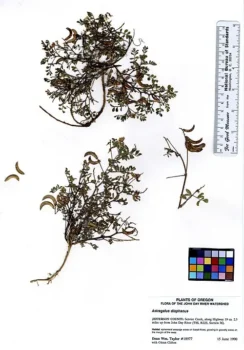
Transparent Milkvetch: A Delicate Pacific Northwest Native
If you’re looking to add a touch of understated elegance to your native garden, transparent milkvetch (Astragalus diaphanus) might just be the perfect choice. This charming annual legume brings a delicate beauty to Pacific Northwest landscapes while supporting local ecosystems.
What Is Transparent Milkvetch?
Transparent milkvetch is a native annual plant that belongs to the pea family (Fabaceae). True to its name, this plant has an almost ethereal quality with its fine, compound leaves and small, pale flowers that seem to dance in the breeze. As an annual, it completes its entire life cycle in one growing season, making it a dynamic addition that changes throughout the year.
Where Does It Grow Naturally?
This Pacific Northwest native calls Oregon and Washington home, where it has adapted to the region’s unique climate and soil conditions. You’ll typically find it growing in well-draining soils across various elevations in these states.
- Species observed
- No observations
Why Consider Growing Transparent Milkvetch?
There are several compelling reasons to include this native plant in your garden:
- Native heritage: As a true native to the Pacific Northwest, it’s perfectly adapted to local conditions
- Low maintenance: Once established, it’s quite drought tolerant and requires minimal care
- Pollinator support: The small flowers attract native bees and other beneficial insects
- Soil improvement: Like other legumes, it helps fix nitrogen in the soil
- Natural reseeding: May self-seed, creating natural drifts in your garden
Garden Design and Landscape Uses
Transparent milkvetch works beautifully in several garden settings:
- Native plant gardens: Pairs well with other Pacific Northwest natives
- Rock gardens: Its delicate form complements rocky, well-draining environments
- Naturalized areas: Perfect for creating wild, meadow-like spaces
- Ground cover: Can help fill in spaces between larger plants
Growing Conditions and Care
This adaptable native thrives in conditions similar to its natural habitat:
- Light: Full sun to partial shade
- Soil: Well-draining soils; avoid areas that stay consistently wet
- Water: Drought tolerant once established; minimal supplemental watering needed
- Hardiness: Suitable for USDA zones 6-9
- Wetland status: Facultative Upland, meaning it usually grows in non-wetland areas but can tolerate some moisture
Planting and Establishment Tips
Getting transparent milkvetch established in your garden is relatively straightforward:
- Direct seed in fall for best results, allowing natural winter stratification
- Scatter seeds on prepared soil surface and lightly rake in
- Choose a location with good drainage to prevent root rot
- Be patient – as an annual, it may take time to establish a self-seeding population
- Avoid over-fertilizing, as legumes prefer lean soils
Important Considerations
Before adding transparent milkvetch to your garden, there are a few things to keep in mind. This species appears to have a conservation status that suggests it may be uncommon in parts of its range. If you’re interested in growing it, make sure to source seeds or plants from reputable native plant suppliers who can verify the material is responsibly collected and not impacting wild populations.
The Bottom Line
Transparent milkvetch offers Pacific Northwest gardeners a chance to grow a truly local native that supports regional ecosystems while adding delicate beauty to the landscape. Its low-maintenance nature and ability to improve soil make it a practical choice, while its pollinator benefits contribute to garden biodiversity. Just remember to source responsibly and enjoy watching this charming annual establish itself in your native garden space.