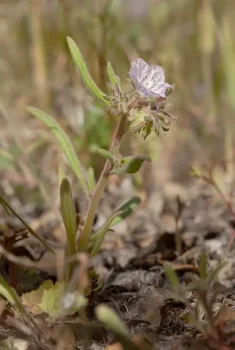
Transverse Range Phacelia: A Rare California Native Worth Knowing
Meet Phacelia exilis, commonly known as Transverse Range phacelia – a charming annual wildflower that’s as unique as its name suggests. This little-known California native deserves a spot in our gardening conversations, even if it’s not readily available at your local nursery.
What Makes This Plant Special?
The Transverse Range phacelia is a true California original, native to the lower 48 states and specifically found in the Golden State. As its common name suggests, this plant calls the Transverse Ranges of California home – those east-west trending mountain ranges that include the Santa Monica Mountains and San Gabriel Mountains.
This annual forb (that’s garden-speak for a non-woody flowering plant) belongs to the waterleaf family and showcases the delicate beauty that many Phacelia species are known for. Like its botanical cousins, it likely produces clusters of small, bell-shaped flowers that pollinators absolutely adore.
- Species observed
- No observations
A Word About Rarity
Here’s where things get interesting – and a bit cautious. Transverse Range phacelia has a conservation status of S3Q, which means its exact status is somewhat undefined but suggests it may be uncommon or rare. This isn’t a plant you’ll stumble upon at garden centers, and that’s probably for good reason.
Should You Grow Transverse Range Phacelia?
While we’d love to give you a complete growing guide, the truth is that detailed cultivation information for this specific species is quite limited. Here’s what we do know and recommend:
- Consider alternatives first: California has many other beautiful native Phacelia species that are better documented and more readily available
- If you’re determined to grow it: Only source seeds or plants from reputable native plant suppliers who can verify responsible collection practices
- Think habitat restoration: This might be better suited for specialized restoration projects rather than typical home gardens
The Broader Phacelia Family
While Transverse Range phacelia remains somewhat mysterious, the Phacelia genus as a whole offers fantastic options for California gardeners. These plants are typically:
- Excellent pollinator magnets, especially for native bees
- Relatively easy to grow from seed
- Perfectly adapted to Mediterranean climates
- Beautiful additions to wildflower gardens and naturalized areas
Better-Known Alternatives
If you’re drawn to the idea of growing California native Phacelias, consider these more readily available options:
- Desert Bluebells (Phacelia campanularia): Stunning blue flowers and easier to find
- Caterpillar Phacelia (Phacelia cicutaria): Unique curled flower clusters
- Wild Heliotrope (Phacelia distans): Lavender flowers beloved by pollinators
The Bottom Line
Transverse Range phacelia represents the incredible diversity of California’s native flora, even if it’s not destined for most home gardens. Its rarity and limited availability make it more of a botanical curiosity than a practical gardening choice for most of us.
Instead of seeking out this elusive beauty, why not explore other native California wildflowers that can provide similar ecological benefits while being more sustainable choices for home gardeners? Your local pollinators will thank you, and you’ll be supporting plants that are better suited to cultivation.
Remember, sometimes the best way to appreciate a rare native plant is to admire it in its natural habitat and choose more common native alternatives for our gardens. That’s true plant stewardship in action!