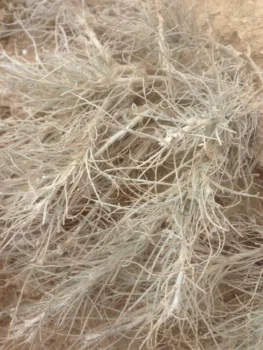
Trask’s Milkvetch: A Rare Island Treasure for Conservation-Minded Gardeners
Meet Trask’s milkvetch (Astragalus traskiae), one of California’s most exclusive native plants. This charming perennial legume isn’t just rare—it’s practically a VIP of the plant world, calling only one place on Earth home: San Clemente Island off the Southern California coast.
A True California Native with a Tiny Footprint
Trask’s milkvetch is native to the lower 48 states, but don’t expect to find it growing wild in your neighborhood. This little gem is endemic to California, specifically restricted to San Clemente Island. It’s what botanists call a narrow endemic—a plant that has evolved to thrive in one very specific location and nowhere else on the planet.
- Species observed
- No observations
Why This Plant Deserves Your Attention (And Caution)
Here’s where things get serious: Trask’s milkvetch has a Global Conservation Status of S3, meaning it’s considered Vulnerable. With typically only 21 to 100 occurrences and between 3,000 and 10,000 individuals total, this species faces real threats to its survival. Climate change, habitat loss, and human activities on its island home all pose challenges to its continued existence.
Important Conservation Note: If you’re considering growing Trask’s milkvetch, please ensure you source it only from reputable native plant nurseries that propagate from ethically collected seeds or cuttings. Never collect from wild populations—every plant counts for this vulnerable species.
What Makes Trask’s Milkvetch Garden-Worthy
Despite its rarity (or perhaps because of it), this perennial offers some compelling reasons for conservation-minded gardeners to consider:
- Delicate purple to pink pea-like flowers arranged in attractive clusters
- Silvery-green compound leaves that add texture and color contrast
- Attracts native bees and specialized pollinators
- Excellent drought tolerance once established
- Contributes to conservation efforts for endangered island flora
Growing Conditions and Care
Trask’s milkvetch has evolved for life on a windswept island, so it appreciates conditions that mimic its native habitat:
- Sunlight: Full sun exposure
- Soil: Extremely well-draining soil is crucial—think sandy or gravelly conditions
- Water: Drought-tolerant once established, but benefits from occasional deep watering during dry spells
- Climate: Best suited for USDA hardiness zones 9-11 with Mediterranean-type climates
Perfect Garden Partners
This specialized plant works best in:
- Native California plant collections
- Xerophytic (dry-loving) gardens
- Conservation-focused landscapes
- Rock gardens with excellent drainage
- Educational gardens showcasing rare plants
Planting and Care Tips
Success with Trask’s milkvetch requires attention to its island origins:
- Plant in fall for best establishment before summer heat
- Ensure drainage is perfect—consider raised beds or mounded planting areas
- Water deeply but infrequently once established
- Protect from harsh inland winds if possible
- Avoid fertilizing—this plant prefers lean, nutrient-poor soils
Supporting Pollinators and Wildlife
As a member of the legume family, Trask’s milkvetch produces the classic pea-type flowers that native bees absolutely love. The plant also helps support specialized pollinators that have co-evolved with California’s island flora, making it a valuable addition to pollinator-friendly gardens.
The Bottom Line
Trask’s milkvetch isn’t a plant for everyone—and that’s exactly the point. If you’re passionate about conservation, have the right growing conditions, and can source plants responsibly, growing this rare beauty offers a unique opportunity to participate in preserving California’s irreplaceable botanical heritage. Just remember: with great botanical privilege comes great responsibility. Handle with care, source ethically, and consider yourself a guardian of one of California’s most precious plant treasures.