Traveler’s Delight: A Rare Native Climbing Gem Worth Growing Responsibly
If you’re looking to add a touch of native charm to your garden while supporting conservation efforts, traveler’s delight might just be the perfect addition to your landscape. This lesser-known native climber offers fragrant blooms and important ecological benefits, though it comes with some special considerations every gardener should know about.
What Is Traveler’s Delight?
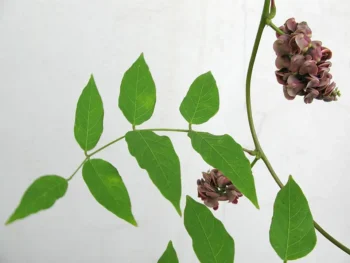
Traveler’s delight (Apios priceana) is a perennial climbing vine native to the southeastern and south-central United States. As a member of the legume family, this herbaceous perennial produces small, fragrant flowers in dense clusters that range from reddish-brown to purple. The plant gets its charm from its compound leaves and its ability to gracefully climb and twine around supports, making it a delightful addition to naturalized garden areas.
Where Does It Naturally Grow?
This native beauty calls home to a relatively small range within the United States, naturally occurring in Alabama, Illinois, Kentucky, Mississippi, and Tennessee. It typically grows in woodland edges and partially shaded areas, thriving in the facultative upland conditions found throughout its native range.
- Species observed
- No observations
Important Conservation Considerations
Before you rush to plant traveler’s delight, there’s something crucial to know: this plant is quite rare. It holds a global conservation status of S3 (Vulnerable) and is actually listed as Threatened in the United States. In Alabama, it’s even rarer with an S2 status. This means that while we absolutely encourage growing this native beauty, it’s essential to source your plants responsibly from reputable native plant nurseries or conservation programs—never from wild populations.
Why Grow Traveler’s Delight?
Despite its rarity (or perhaps because of it), there are compelling reasons to include this plant in your garden:
- Supports native pollinators with its fragrant, nectar-rich flowers
- Adds vertical interest as a climbing vine
- Requires minimal maintenance once established
- Contributes to conservation efforts when grown from responsibly sourced material
- Provides authentic native plant character to woodland gardens
Growing Conditions and Care
The good news is that traveler’s delight isn’t particularly fussy once you understand its preferences. This adaptable native can handle a range of conditions:
- Light: Partial shade to full sun (though it naturally prefers some protection)
- Soil: Moist to moderately dry soils; tolerates various soil types
- Hardiness: Thrives in USDA zones 5-8
- Water: Moderate moisture requirements, though established plants show good drought tolerance
Planting and Maintenance Tips
Getting started with traveler’s delight is straightforward, though patience is key since you’re working with a slower-growing native:
- Plant tubers in spring after the last frost date
- Provide sturdy support structures for the climbing habit
- Water regularly during the first growing season to establish roots
- Mulch around the base to retain moisture and suppress weeds
- Minimal pruning needed—just remove any dead or damaged growth
Perfect Garden Settings
Traveler’s delight shines in specific garden situations:
- Native plant gardens and restoration projects
- Woodland edge plantings
- Naturalized landscape areas
- Pollinator gardens focused on native species
- Conservation-minded landscapes
Supporting Pollinators and Wildlife
One of the best reasons to grow traveler’s delight is its value to native pollinators. The fragrant flowers attract native bees and other beneficial insects, providing important nectar sources. As a member of the legume family, it also helps fix nitrogen in the soil, benefiting surrounding plants.
The Bottom Line
Traveler’s delight offers gardeners a chance to grow something truly special—a rare native plant that supports conservation while adding unique beauty to the landscape. The key is approaching it responsibly: source plants ethically, provide appropriate growing conditions, and appreciate that you’re helping preserve a threatened native species. With proper care and responsible sourcing, this climbing gem can become a cherished part of your native plant collection while contributing to important conservation efforts.
Remember, every responsibly grown traveler’s delight plant is a small victory for native plant conservation. By choosing to grow this rare beauty, you’re not just adding to your garden—you’re helping ensure future generations can enjoy this native treasure too.