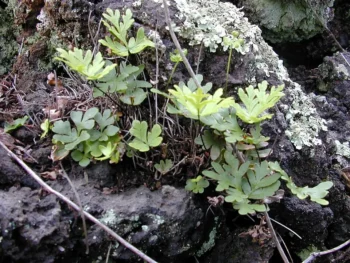
Triangleleaf Lipfern: A Delicate Hawaiian Native Worth Protecting
If you’re lucky enough to garden in Hawaii’s tropical paradise, you might have encountered the charming triangleleaf lipfern (Doryopteris decipiens) nestled among the rocks in shaded forest areas. This delicate native fern, with its distinctive triangular fronds, represents one of Hawaii’s unique botanical treasures – but it’s also a species that needs our careful attention and protection.
What Makes Triangleleaf Lipfern Special?
The triangleleaf lipfern is a perennial fern that’s found nowhere else in the world except the Hawaiian Islands. Its scientific name, Doryopteris decipiens, might be a mouthful, but this little fern is anything but deceiving when it comes to its charm. You might also see it referred to by its botanical synonyms Cheilanthes decipiens or Doryopteris decora var. decipiens in older gardening references.
What sets this fern apart is its uniquely shaped fronds that form neat triangular patterns, creating an almost geometric beauty that’s both wild and sophisticated. It’s the kind of plant that makes you stop and appreciate nature’s artistry.
Where Does It Grow?
This endemic Hawaiian species calls the Hawaiian Islands home, where it has evolved over thousands of years to thrive in the archipelago’s unique climate and conditions. You’ll find it naturally growing throughout Hawaii, from the Big Island to the smaller islands in the chain.
- Species observed
- No observations
A Word of Caution: Conservation Matters
Here’s where things get serious, fellow gardeners. The triangleleaf lipfern carries a Global Conservation Status of S3, which means it’s considered vulnerable. With typically only 21 to 100 occurrences or between 3,000 and 10,000 individuals remaining, this isn’t a plant to take lightly.
If you’re considering adding this beautiful fern to your garden, please – and we can’t stress this enough – only source it responsibly. This means:
- Purchase from reputable native plant nurseries that propagate their own stock
- Never collect from wild populations
- Consider participating in conservation efforts or native plant society activities
- Share knowledge about this species with other gardeners to raise awareness
Growing Triangleleaf Lipfern Successfully
If you can source this fern responsibly, it makes a wonderful addition to appropriate garden settings. Here’s what you need to know:
Climate Requirements: This tropical beauty is suited for USDA hardiness zones 10-11, which makes sense given its Hawaiian origins. If you’re gardening outside of these zones, you’d need to grow it as a greenhouse or indoor plant.
Ideal Growing Conditions: Think about where you’d naturally find this fern in Hawaii – shaded forest floors with good drainage and consistent humidity. It prefers:
- Filtered or dappled shade (avoid direct sunlight)
- Well-draining, rocky or sandy soils
- Consistent moisture without waterlogging
- High humidity levels
- Protection from strong winds
Perfect Garden Settings
The triangleleaf lipfern shines in several garden contexts:
- Native Hawaiian gardens: It’s perfect for authentic native landscaping projects
- Rock gardens: Its natural affinity for rocky conditions makes it ideal for crevice planting
- Shade gardens: Adds delicate texture and unique form to shaded areas
- Conservation gardens: Perfect for educational or conservation-focused landscapes
Caring for Your Triangleleaf Lipfern
Once established, this fern is relatively low-maintenance, but getting it established requires attention to detail:
- Water regularly but ensure excellent drainage to prevent root rot
- Maintain high humidity around the plant (misting can help in dry conditions)
- Protect from direct sunlight, which can scorch the delicate fronds
- Avoid fertilizing heavily – native plants typically prefer lean soils
- Remove any dead or damaged fronds to keep the plant healthy
Wildlife and Ecosystem Benefits
While we don’t have specific data on wildlife benefits for this particular species, native Hawaiian ferns like the triangleleaf lipfern play important roles in their ecosystems. They help stabilize soil, provide habitat structure, and contribute to the complex web of native plant communities that support Hawaii’s unique wildlife.
The Bottom Line
The triangleleaf lipfern is a beautiful, unique native plant that deserves a place in appropriate Hawaiian gardens – but only when sourced responsibly. Its vulnerable conservation status means we all have a role to play in protecting this species for future generations. If you’re passionate about native plants and conservation, this might be the perfect fern to add to your collection while supporting conservation efforts.
Remember, gardening with native plants isn’t just about creating beautiful spaces – it’s about being stewards of our natural heritage. And sometimes, that means being extra careful with the rare and precious plants that call our islands home.