Trinity Penstemon: A Rare California Treasure Worth Protecting
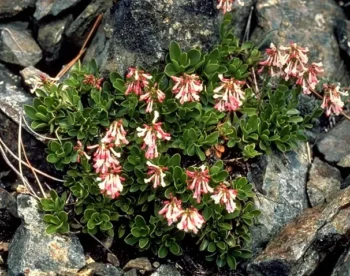
Meet Trinity penstemon (Penstemon tracyi), one of California’s most precious floral gems. This rare wildflower isn’t just another pretty face in the garden – it’s a critically endangered species that deserves our attention and protection. If you’re lucky enough to encounter this botanical rarity, you’re looking at a true conservation success story in the making.
What Makes Trinity Penstemon Special?
Trinity penstemon is a perennial herb native exclusively to California, where it calls the Trinity Mountains of northern California home. Unlike many plants that have spread far and wide, this particular penstemon has chosen to stay close to its roots – literally. This California endemic has adapted to very specific conditions in its mountain habitat, making it both unique and vulnerable.
The plant grows as a forb, which means it’s an herbaceous flowering plant without woody stems. Think of it as nature’s version of a delicate wildflower that comes back year after year, bringing its charm to the landscape season after season.
- Species observed
- No observations
A Critical Conservation Status
Important Conservation Alert: Trinity penstemon has a Global Conservation Status of S1, meaning it’s critically imperiled. With typically five or fewer known occurrences and very few remaining individuals (fewer than 1,000), this plant is hanging on by a thread in the wild.
If you’re considering adding this rare beauty to your garden, please only source plants or seeds from reputable native plant nurseries that practice ethical collection methods. Never collect from wild populations – every plant counts when dealing with such a rare species.
Garden Appeal and Landscape Role
Like its penstemon cousins, Trinity penstemon produces attractive tubular flowers that are magnets for pollinators. The blooms typically display beautiful shades of blue to purple, arranged in terminal spikes that add vertical interest to any planting scheme.
In the garden, Trinity penstemon works beautifully in:
- Native California plant collections
- Rock gardens with excellent drainage
- Wildflower meadow plantings
- Specialized rare plant gardens
- Conservation-focused landscapes
Growing Conditions and Care
Given its mountain origins, Trinity penstemon likely prefers conditions that mimic its natural habitat. Here’s what this rare beauty needs to thrive:
- Drainage: Excellent drainage is absolutely critical – think rocky, well-draining soil
- Water: Minimal summer irrigation once established (California native watering schedule)
- Soil: Adapted to poor, rocky soils; may prefer serpentine conditions
- Sun: Likely prefers full sun to partial shade
- Climate: Best suited for USDA hardiness zones 7-9
Pollinator and Wildlife Benefits
Trinity penstemon offers valuable ecosystem services despite its rarity. The tubular flowers are perfectly designed to attract:
- Hummingbirds seeking nectar
- Native bees and butterflies
- Other specialized pollinators adapted to penstemon flowers
By growing this plant (from ethical sources), you’re not just adding beauty to your garden – you’re participating in conservation efforts and supporting local pollinator populations.
Planting and Care Tips
If you’re fortunate enough to acquire Trinity penstemon through responsible channels:
- Plant in fall for best establishment
- Ensure perfect drainage – consider raised beds or rock gardens
- Water sparingly once established
- Avoid rich, fertile soils that may encourage too much growth
- Protect from excessive winter moisture
- Allow plants to go to seed to support conservation efforts
A Plant Worth Protecting
Trinity penstemon represents something special in the plant world – a reminder that not all beautiful plants are common or easily obtained. Its rarity makes it precious, and its conservation status makes it a responsibility. If you choose to grow this remarkable plant, you’re becoming part of its conservation story.
Consider Trinity penstemon not just as a garden addition, but as a living piece of California’s natural heritage that needs our protection and care. Every responsibly grown plant is a step toward ensuring this rare beauty doesn’t disappear from our landscapes forever.