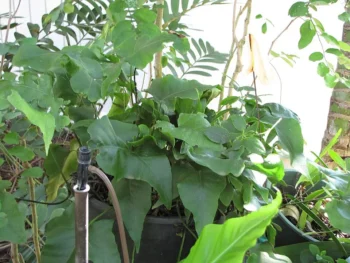
Triploid Fern: A Rare Hawaiian Treasure for Your Tropical Garden
If you’re lucky enough to garden in Hawaii’s tropical paradise, you might want to get acquainted with one of the islands’ most distinctive native ferns. The triploid fern (Microsorum spectrum) is a stunning endemic species that brings a touch of ancient Hawaiian forest magic to modern landscapes – but it comes with some important considerations.
What Makes This Fern Special?
The triploid fern is a true Hawaiian native, found nowhere else on Earth. This perennial fern produces large, glossy fronds with deeply lobed margins that create an almost prehistoric appearance. The leathery texture of its fronds helps it withstand Hawaii’s variable weather conditions, from humid rainforest environments to drier upland areas.
You might also see this fern listed under its former scientific name, Polypodium spectrum, in older gardening references.
Where Does It Grow?
This remarkable fern is endemic to the Hawaiian Islands, making it a true island treasure. It naturally occurs throughout Hawaii, typically in partially shaded areas from sea level up into the mountains.
- Species observed
- No observations
A Word of Caution: Rarity Matters
Before you rush out to find this fern, here’s something important to know: Microsorum spectrum has a vulnerable conservation status. With only an estimated 3,000 to 10,000 individuals remaining in the wild, this species needs our protection. If you’re interested in growing this fern, please make sure you source it responsibly from reputable native plant nurseries that propagate their own stock – never collect from wild populations.
Perfect for Hawaiian Gardens
If you can find responsibly sourced plants, the triploid fern makes an exceptional addition to:
- Shaded tropical gardens
- Native Hawaiian plant collections
- Understory plantings beneath larger trees
- Naturalistic forest-style landscapes
This fern thrives in Hawaii’s climate zones and serves as a beautiful specimen plant that connects your garden to the islands’ natural heritage.
Growing Conditions
The triploid fern is classified as facultative upland, meaning it usually prefers non-wetland conditions but can tolerate some moisture. Here’s what it needs to thrive:
- Light: Partial to full shade – direct tropical sun can scorch the fronds
- Soil: Well-draining but consistently moist, rich in organic matter
- Climate: USDA zones 10-12 only (tropical conditions required)
- Humidity: High humidity levels, typical of Hawaiian environments
Planting and Care Tips
If you’re fortunate enough to acquire this rare fern from a responsible source:
- Plant in a protected area with filtered light
- Maintain consistent soil moisture without waterlogging
- Apply organic mulch to retain moisture and provide nutrients
- Protect from strong winds that can damage the large fronds
- Be patient – like most native ferns, growth may be slower than common garden varieties
Wildlife and Ecosystem Benefits
While ferns don’t produce flowers for pollinators, native Hawaiian ferns like Microsorum spectrum play important roles in their ecosystems. They provide shelter for small creatures, contribute to soil health, and help maintain the delicate balance of Hawaii’s native forests.
The Bottom Line
The triploid fern is a gorgeous native that deserves a place in Hawaiian gardens – but only when grown responsibly. Its vulnerable status means we need to be thoughtful stewards. If you can source it ethically, this fern rewards patient gardeners with distinctive beauty and a meaningful connection to Hawaii’s natural heritage. Just remember: protecting wild populations is more important than having this plant in your garden, so always choose nursery-propagated specimens over wild-collected ones.