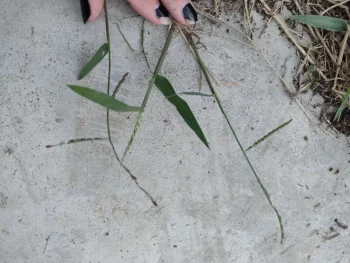
Tropical Signalgrass: What You Need to Know About This Widespread Grass
If you’ve spotted a persistent grass spreading through your garden or neighborhood, there’s a good chance you might be looking at tropical signalgrass (Urochloa distachya). This unassuming perennial grass has quietly made itself at home across many warm regions of the United States, and while it’s not exactly a showstopper, it’s worth understanding what you’re dealing with.
The Basics: What Is Tropical Signalgrass?
Tropical signalgrass is a perennial graminoid – that’s the fancy way of saying it’s a grass-like plant. Originally from tropical regions of Africa and Asia, this hardy grass has established itself as a naturalized resident in several U.S. states and territories. You might also see it referred to by its scientific name, Urochloa distachya, or its former names Brachiaria subquadripara and Urochloa subquadripara.
Where You’ll Find It
This adaptable grass has spread to various locations across the warmer parts of North America and U.S. territories. Currently, you can find tropical signalgrass growing in Florida, Hawaii, Maryland, as well as in Guam, Palau, and Puerto Rico. It’s considered non-native in most of these areas, having been introduced and now reproducing on its own in the wild.
- Species observed
- No observations
The Garden Reality Check
Let’s be honest – tropical signalgrass isn’t going to win any beauty contests. This grass lacks the ornamental appeal that most gardeners seek. It’s more of a utilitarian plant, historically valued for forage rather than aesthetics. If you’re looking to create a stunning landscape, this probably isn’t your star player.
However, if you’re dealing with challenging growing conditions where other plants struggle, tropical signalgrass might already be solving that problem for you. It’s remarkably adaptable to different moisture conditions, from drier upland areas to occasionally wet spots, depending on your region.
Growing Conditions and Care
Should you find yourself with tropical signalgrass (whether by choice or by surprise), here’s what it prefers:
- Climate: Thrives in USDA hardiness zones 9-11, loving warm, humid conditions
- Soil: Not particularly picky about soil types
- Water: Adaptable to various moisture levels, though preferences vary by location
- Maintenance: Low maintenance once established – sometimes too low maintenance, as it can spread readily
The Pollinator and Wildlife Picture
As a wind-pollinated grass, tropical signalgrass doesn’t offer much in the way of nectar or pollen for bees and butterflies. Its wildlife benefits are limited compared to native alternatives that have co-evolved with local ecosystems.
A Better Path Forward: Native Alternatives
While tropical signalgrass isn’t necessarily harmful, choosing native grasses can provide much greater benefits for your local ecosystem. Native grasses support native insects, birds, and other wildlife while requiring less maintenance once established. Consider these alternatives:
- Research native bunch grasses specific to your region
- Look into native sedges for moisture-loving areas
- Consult local native plant societies for the best options in your area
The Bottom Line
Tropical signalgrass is one of those plants that exists in the middle ground – it’s not a garden villain, but it’s not a hero either. If you already have it, it’s not cause for alarm. But if you’re planning new plantings, you’ll likely find much more rewarding options among native grasses that will support your local ecosystem while providing equal or better performance in your landscape.
Remember, the most successful gardens work with nature rather than against it, and choosing plants that belong in your region is always a step in the right direction.