Tropical Waxweed: A Rare Florida Native Worth Protecting in Your Garden
If you’re passionate about Florida native plants and love supporting rare species, tropical waxweed (Cuphea aspera) might just be the perfect addition to your native garden. This charming little perennial brings delicate beauty to wetland gardens while playing an important role in Florida’s natural heritage.
What Makes Tropical Waxweed Special?
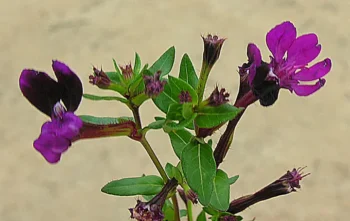
Tropical waxweed is a delightful native forb that produces small, tubular purple to lavender flowers that seem to dance above its foliage. As a herbaceous perennial, it lacks woody stems but returns year after year, making it a reliable addition to naturalistic plantings. The plant’s compact form and consistent blooming make it an excellent choice for gardeners who appreciate subtle, understated beauty.
Where Does Tropical Waxweed Call Home?
This special plant is a true Florida endemic, found exclusively in the Sunshine State. Cuphea aspera grows naturally in the sandy soils of central and southern Florida, where it has adapted to the unique conditions of wetland edges and moist prairies.
- Species observed
- No observations
Important Conservation Note
Here’s something crucial every gardener should know: tropical waxweed has a Global Conservation Status of S2, meaning it’s considered imperiled due to extreme rarity. With typically only 6 to 20 known occurrences and few remaining individuals in the wild, this plant desperately needs our protection. If you choose to grow tropical waxweed, please only purchase from reputable native plant nurseries that source their material responsibly – never collect from wild populations.
Perfect Spots for Tropical Waxweed in Your Garden
Tropical waxweed shines in several garden settings:
- Native Florida wildflower gardens
- Rain gardens and bioswales
- Wetland margin plantings
- Naturalistic meadow areas
- Native plant collections
Its facultative wetland status means it usually grows in wetlands but can adapt to drier conditions, giving you some flexibility in placement.
Growing Conditions That Make Tropical Waxweed Happy
To successfully grow tropical waxweed, try to mimic its natural Florida habitat:
- Soil: Moist to wet sandy soils with good drainage
- Light: Full sun to partial shade
- Water: Consistent moisture; tolerates seasonal flooding
- Climate: USDA hardiness zones 9-11 (perfect for Florida gardens)
Planting and Care Tips
Getting tropical waxweed established is relatively straightforward if you meet its basic needs:
- Plant in spring after the last frost
- Amend sandy soil with organic matter to help retain moisture
- Maintain consistent soil moisture, especially during dry spells
- Mulch around plants to conserve water and suppress weeds
- Allow plants to self-seed in suitable conditions
Wildlife and Pollinator Benefits
Those charming tubular flowers aren’t just pretty – they’re pollinator magnets! Tropical waxweed attracts butterflies and small native bees, making it a valuable addition to any pollinator garden. By growing this rare native, you’re not only supporting local ecosystems but also providing crucial habitat for Florida’s native insects.
Should You Grow Tropical Waxweed?
If you garden in Florida and are committed to conservation, tropical waxweed is absolutely worth growing. Just remember the golden rule: only source plants from reputable nurseries that propagate from legally obtained material. By including this rare beauty in your garden, you become part of its conservation story while enjoying its quiet charm and ecological benefits.
Also known by its scientific name Cuphea aspera, and sometimes listed under the synonym Parsonsia lythroides, this little-known native deserves more attention from Florida gardeners who want to make a real difference in plant conservation.