Truckee Lewisia: A Rare Sierra Nevada Gem Worth Protecting
Meet the Truckee lewisia (Lewisia longipetala), a tiny treasure that calls the high peaks of California’s Sierra Nevada home. This diminutive perennial might be small in stature, but it packs a punch when it comes to both beauty and conservation significance.
What Makes Truckee Lewisia Special
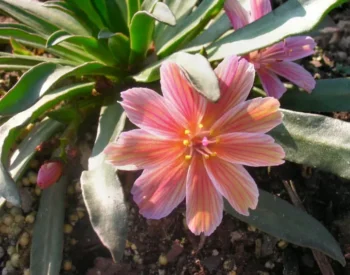
The Truckee lewisia is a true California native, belonging to the fascinating world of alpine plants that have adapted to life in harsh mountain conditions. As a forb – essentially a non-woody flowering plant – it forms compact rosettes of succulent leaves that hug the ground, making it perfectly suited for surviving in rocky, windswept environments.
What really sets this little beauty apart are its delicate flowers, which feature distinctively long petals that give the plant its scientific name longipetala. The blooms range from pristine white to soft pink, creating a charming display that seems almost too delicate for the rugged mountain habitat it calls home.
Where You’ll Find It (Or Won’t)
This rare native is found exclusively in California, specifically in the high-elevation areas of the Sierra Nevada mountains. It’s adapted to the unique conditions of alpine and subalpine zones, where it thrives in well-draining, rocky soils.
- Species observed
- No observations
A Plant That Needs Our Help
Here’s where things get serious: Truckee lewisia has a Global Conservation Status of S2, meaning it’s considered Imperiled. With typically only 6 to 20 known occurrences and few remaining individuals in the wild, this little plant is facing some real challenges. Climate change, habitat loss, and human disturbance in its mountain homes are putting pressure on wild populations.
If you’re considering growing Truckee lewisia, please only source plants or seeds from reputable native plant nurseries that propagate their own stock – never collect from the wild.
Growing Truckee Lewisia: Not for Beginners
Let’s be honest – this isn’t a plant for casual gardeners. Truckee lewisia requires very specific conditions and can be quite finicky. However, for dedicated alpine gardeners and native plant enthusiasts, it can be incredibly rewarding.
Ideal Growing Conditions
- Drainage is everything: This plant absolutely must have perfect drainage. Think sandy, rocky, or scree-like conditions
- Sun exposure: Full sun to partial shade, mimicking its mountain habitat
- Water: Keep it on the dry side – overwatering is the quickest way to lose this plant
- Climate: Hardy in USDA zones 4-8, but requires cool, dry conditions
- Soil: Lean, mineral-rich soil with excellent drainage
Perfect Garden Settings
Truckee lewisia shines in:
- Alpine and rock gardens
- Scree gardens
- Specialized native plant collections
- Containers with very well-draining mix
- Raised beds designed for mountain plants
Caring for Your Truckee Lewisia
Once established (and that’s a big if), these plants are relatively low-maintenance. The key is creating the right environment from the start:
- Plant in spring or early fall
- Provide winter protection from excess moisture
- Avoid fertilizing – these plants prefer lean conditions
- Water sparingly and only during extended dry periods
- Mulch with gravel or small stones rather than organic matter
Supporting Pollinators and Wildlife
While small, Truckee lewisia plays an important role in its ecosystem by providing nectar for native bees and other small pollinators. In the garden, it can contribute to supporting these beneficial insects, though its specialized growing requirements mean it won’t be a major pollinator magnet like easier-to-grow natives.
The Bottom Line
Truckee lewisia is a plant for serious collectors and conservation-minded gardeners who understand both its beauty and its vulnerability. If you have the right conditions and the patience to work with a challenging plant, growing this rare native can be incredibly rewarding. Just remember – only source it responsibly, and consider it a small act of conservation.
For most gardeners, there are easier California natives that can provide similar alpine garden appeal while being more forgiving to grow. But for those special few who are up for the challenge, Truckee lewisia offers the chance to nurture a truly unique piece of California’s mountain heritage.