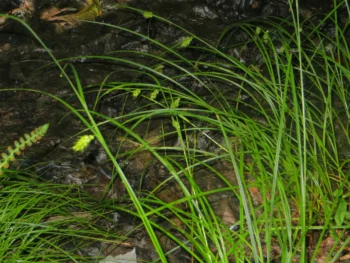
Tuckerman’s Sedge: A Native Wetland Wonder for Your Water Garden
If you’ve been dreaming of creating a lush, naturalistic water garden that supports local ecosystems, let me introduce you to a hidden gem: Tuckerman’s sedge (Carex tuckermanii). This unassuming native perennial might not win any flashy flower contests, but it’s absolutely stellar at what it does best – thriving in wet spots where other plants fear to tread.
What Makes Tuckerman’s Sedge Special?
Tuckerman’s sedge is a true North American native, naturally found across southeastern Canada and the northeastern United States. This hardy perennial calls home a impressive range of states and provinces, including New Brunswick, Nova Scotia, Ontario, Quebec, and numerous states from Maine down to Maryland and west to Minnesota and Iowa.
- Species observed
- No observations
What sets this sedge apart is its unwavering dedication to wetland life. Classified as an Obligate Wetland species across all regions where it grows, Tuckerman’s sedge almost always occurs in wetlands – making it the perfect choice for those challenging soggy spots in your landscape.
A Word of Caution: Rarity Matters
Before you rush out to find this plant, there’s something important to know. In New Jersey, Tuckerman’s sedge holds an endangered status and is listed as S1, meaning it’s critically rare in that state. If you’re considering adding this sedge to your garden, please ensure you source it from reputable native plant nurseries that propagate their stock responsibly rather than collecting from wild populations.
Garden Appeal and Design Uses
Don’t let its modest appearance fool you – Tuckerman’s sedge brings subtle beauty and incredible functionality to the right garden setting. This grass-like perennial forms attractive dense tufts with narrow, gracefully arching leaves that provide fine texture and year-round green color. While its brownish flower spikes won’t stop traffic, they add natural authenticity to wetland gardens.
Here’s where this sedge truly shines in your landscape:
- Rain gardens and bioswales
- Pond and stream margins
- Bog gardens and wetland restorations
- Erosion control along water edges
- Naturalized wet meadow areas
Growing Conditions and Care
The beauty of Tuckerman’s sedge lies in its simplicity – once you give it what it wants, it’s remarkably low-maintenance. This sedge thrives in USDA hardiness zones 3-7, making it suitable for most northern and temperate gardens.
Light requirements: Full sun to partial shade – it’s quite adaptable!
Soil needs: Consistently moist to wet, acidic soils are ideal. This plant can handle seasonal flooding like a champ, making it perfect for those areas that stay soggy after heavy rains.
Planting tips: Spring is the best time to plant. Space plants appropriately to allow for their tufting growth habit, and don’t worry about babying them – these sedges are tough once established.
Wildlife and Ecosystem Benefits
While Tuckerman’s sedge might not be a major pollinator magnet (it’s wind-pollinated, after all), it plays important supporting roles in wetland ecosystems. The dense tufts provide valuable habitat structure for small wildlife, and some specialist moths depend on sedges like this one. Plus, by choosing native plants like Tuckerman’s sedge, you’re supporting the complex web of relationships that make healthy ecosystems possible.
The Bottom Line
Tuckerman’s sedge isn’t for every garden – but if you have wet, challenging spots where you want to create something beautiful and ecologically valuable, this native sedge deserves serious consideration. Just remember to source it responsibly, respect its conservation status, and give it the consistently moist conditions it craves.
Your local wetland wildlife will thank you, and you’ll have the satisfaction of growing a truly special native plant that’s perfectly adapted to its environment. Sometimes the most unassuming plants make the biggest difference!