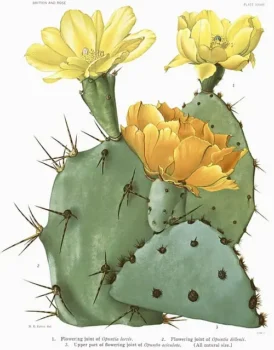
Tulip Pricklypear: A Low-Maintenance Desert Beauty for Your Garden
If you’re looking for a striking, low-maintenance plant that thrives in hot, dry conditions, the tulip pricklypear (Opuntia laevis) might be exactly what your garden needs. This native southwestern cactus brings both beauty and practicality to landscapes, offering gorgeous blooms and requiring almost no fuss once established.
What is Tulip Pricklypear?
Tulip pricklypear is a perennial cactus native to the lower 48 states, specifically thriving in Arizona’s desert environments. Also known by its scientific name Opuntia laevis, this hardy succulent belongs to the prickly pear family and has earned its common name from its distinctive cup-shaped yellow flowers that bloom in spring and early summer.
As a native plant, tulip pricklypear plays an important role in supporting local ecosystems while requiring minimal resources from gardeners. It’s classified as a shrub, typically growing as a multi-stemmed woody plant that stays relatively low to the ground.
Where Does It Grow Naturally?
This desert dweller is naturally found in Arizona, where it has adapted perfectly to the challenging conditions of the American Southwest. In its native habitat, you’ll find it growing in rocky, well-draining soils where few other plants can survive and thrive.
- Species observed
- No observations
Why Choose Tulip Pricklypear for Your Garden?
There are several compelling reasons to consider adding this native beauty to your landscape:
- Drought tolerance: Once established, it needs virtually no supplemental watering
- Low maintenance: Requires minimal care and attention
- Pollinator support: The bright yellow flowers attract bees and other beneficial pollinators
- Year-round interest: Attractive blue-green pads provide structure even when not blooming
- Native plant benefits: Supports local wildlife and is perfectly adapted to regional conditions
- Unique aesthetic: Adds southwestern flair and architectural interest to gardens
Perfect Garden Settings
Tulip pricklypear shines in specific garden styles and situations:
- Xeriscapes: Ideal for water-wise landscaping
- Rock gardens: Complements rocky, mineral-rich settings
- Desert gardens: Perfect companion for other southwestern natives
- Mediterranean-style landscapes: Fits well with drought-tolerant design themes
- Ground cover applications: Works well as a living mulch in appropriate climates
Growing Conditions and Care
Success with tulip pricklypear comes down to mimicking its natural desert environment:
Sunlight: Provide full sun for best growth and flowering. This plant craves bright, direct sunlight for most of the day.
Soil: Well-draining soil is absolutely crucial. Sandy, rocky, or gravelly soils work best. Heavy clay or soil that retains moisture will likely cause root rot.
Water: Less is definitely more. Water sparingly during the growing season and avoid watering entirely during winter months.
Climate: Hardy in USDA zones 8-11, this plant can handle heat but may need protection from hard freezes in marginal areas.
Planting and Care Tips
Getting your tulip pricklypear off to a good start is easier than you might think:
- Timing: Plant in spring after the last frost has passed
- Soil preparation: Amend heavy soils with coarse sand or gravel to improve drainage
- Spacing: Allow adequate room for the plant to spread naturally
- Protection: Always wear thick leather gloves when handling – those spines are no joke!
- Watering: Water lightly for the first few weeks, then reduce frequency as the plant establishes
- Winter care: In marginal zones, consider covering with frost cloth during extreme cold snaps
A Word of Caution
While tulip pricklypear is generally well-behaved in cultivation, it’s worth noting that its conservation status is somewhat unclear (listed as S5T3?). This suggests it may face some regional population pressures. If you’re purchasing this plant, make sure to source it from reputable nurseries that propagate their own stock rather than wild-collecting.
The Bottom Line
Tulip pricklypear offers gardeners in appropriate climates a chance to grow a truly native, low-maintenance plant that supports local pollinators while adding unique beauty to the landscape. If you live in zones 8-11 and want to embrace water-wise gardening, this southwestern native deserves serious consideration. Just remember to respect its need for excellent drainage and full sun, and you’ll be rewarded with years of easy-care beauty in your garden.