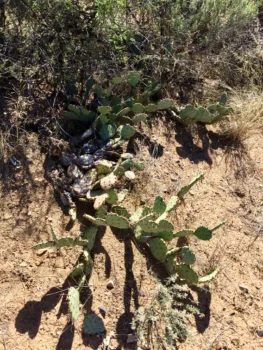
Tulip Pricklypear: A Hardy Native Cactus for Water-Wise Gardens
If you’re looking to add some desert flair to your landscape while supporting native wildlife, the tulip pricklypear (Opuntia phaeacantha) might just be the perfect addition to your garden. This resilient native cactus brings year-round interest with its distinctive paddle-shaped segments, cheerful blooms, and colorful fruits—all while requiring virtually no maintenance once established.
What Makes Tulip Pricklypear Special?
The tulip pricklypear is a true American native, naturally occurring across ten states throughout the American Southwest and Great Plains. You’ll find wild populations thriving in Arizona, California, Colorado, Kansas, Nevada, New Mexico, Oklahoma, South Dakota, Texas, and Utah. This wide distribution speaks to the plant’s incredible adaptability and hardiness.
- Species observed
- No observations
As a perennial shrub, this cactus typically grows as a multi-stemmed plant with several branches arising from near the ground. It’s built for survival in tough conditions, making it an excellent choice for gardeners who want beautiful plants without the fuss.
Garden Appeal and Landscape Uses
Don’t let the word cactus fool you into thinking this plant is just a prickly oddity. Tulip pricklypear offers genuine aesthetic appeal throughout the seasons:
- Striking yellow flowers bloom in late spring to early summer, often with reddish centers
- Blue-green to gray-green paddle-shaped segments provide interesting architectural form
- Purple to red fruits (called tunas) add fall and winter color
- Low, spreading growth habit creates visual weight in landscape compositions
In landscape design, tulip pricklypear excels as an accent plant in xeriscapes, desert gardens, and rock gardens. Its natural barrier-forming tendency makes it useful for creating living fences or defining garden spaces. The plant fits beautifully into low-maintenance landscapes where water conservation is a priority.
Wildlife and Pollinator Benefits
Beyond its visual appeal, tulip pricklypear is a valuable native plant for supporting local ecosystems. The bright yellow flowers attract various pollinators including bees and butterflies, while the fruits provide food for birds and small mammals. By choosing this native species, you’re creating habitat that local wildlife has evolved alongside for thousands of years.
Growing Conditions and Care
One of the tulip pricklypear’s greatest selling points is its low-maintenance nature. This tough plant thrives in USDA hardiness zones 5-10, tolerating both desert heat and surprising cold.
Ideal growing conditions include:
- Full sun exposure (at least 6 hours daily)
- Well-draining soil—clay or constantly moist soil will kill it
- Minimal water once established
- Good air circulation to prevent fungal issues
Planting and Care Tips
Getting your tulip pricklypear off to a good start is straightforward:
Planting: Spring is the ideal time to plant. Choose a sunny location with excellent drainage—if water pools after rain, pick a different spot or improve drainage with gravel or sand amendments.
Watering: Water sparingly during the first year to help roots establish, then reduce to occasional deep watering during extended dry periods. Overwatering is this plant’s biggest enemy.
Maintenance: Virtually none required! You can remove damaged pads if desired, but wear heavy gloves and use tongs to avoid the spines.
Is Tulip Pricklypear Right for Your Garden?
This native cactus is perfect for gardeners who want to:
- Create water-wise landscapes
- Support native wildlife and pollinators
- Add unique architectural interest to their garden
- Minimize maintenance time
- Garden in challenging, dry conditions
However, consider carefully if you have small children or pets who might encounter the spines, or if you prefer a more traditional, lush garden aesthetic.
The tulip pricklypear proves that native plants can be both practical and beautiful. By choosing this hardy native, you’re not just adding an interesting plant to your landscape—you’re participating in conservation and creating a more sustainable garden that works with nature rather than against it.