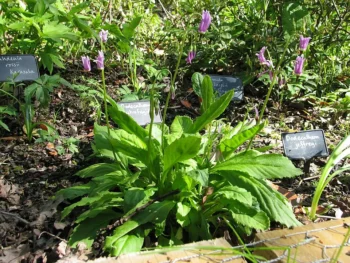
Tundra Shootingstar: A Rare Pacific Northwest Gem Worth Protecting
Meet the tundra shootingstar (Dodecatheon austrofrigidum), one of the Pacific Northwest’s most enchanting yet elusive native wildflowers. This diminutive perennial might just capture your heart with its distinctive shooting star blooms, but before you start planning where to plant it, there are some important things every gardener should know about this special species.
What Makes Tundra Shootingstar Special?
The tundra shootingstar is a small but striking perennial forb that creates rosettes of basal leaves close to the ground. What really sets this plant apart are its unique flowers – delicate white to pale pink petals that curve dramatically backward, creating the illusion of a shooting star frozen in time. These charming blooms appear on slender stems that rise above the foliage, typically reaching just 6-12 inches tall.
As a native species to Oregon and Washington, this plant has adapted to the challenging conditions of high-elevation environments in the Pacific Northwest. It’s classified as a perennial forb, meaning it lacks significant woody tissue and returns year after year from underground parts.
Geographic Distribution and Habitat
Tundra shootingstar has a limited natural range, growing only in specific areas of Oregon and Washington. In the wild, you’ll find it in alpine and subalpine meadows, where it thrives in the brief growing seasons of high-elevation environments.
- Species observed
- No observations
A Word of Caution: Rarity Status
Here’s where things get serious, fellow gardeners. Tundra shootingstar carries a Global Conservation Status of S2, which means it’s considered Imperiled. This classification indicates the species is extremely rare and vulnerable to extinction, with typically only 6 to 20 known occurrences and fewer than 1,000 to 3,000 remaining individuals in the wild.
What does this mean for gardeners? While we absolutely encourage growing native plants, if you’re interested in cultivating tundra shootingstar, it’s crucial to source plants only from reputable nurseries that propagate them responsibly – never collect from wild populations.
Growing Tundra Shootingstar: Challenges and Rewards
Let’s be honest – tundra shootingstar isn’t your typical backyard perennial. This alpine specialist has very specific needs that can make it challenging to grow successfully:
Ideal Growing Conditions
- Climate: USDA Hardiness Zones 4-7, with preference for cooler temperatures
- Soil: Well-draining, consistently moist but never waterlogged
- Light: Partial shade to full sun in cooler climates
- Moisture: Cool, moist conditions during the growing season
Special Considerations
- Goes dormant during hot summer months
- Requires a cool winter chill period
- May take several years to establish and bloom
- Best suited for alpine or rock garden settings
Garden Design and Landscape Role
If you’re up for the challenge and can source plants responsibly, tundra shootingstar makes an exceptional addition to:
- Alpine and rock gardens
- Specialty native plant collections
- Cool-climate woodland edges
- Conservation-focused landscapes
Its low-growing habit and unique flowers make it perfect for intimate garden spaces where its subtle beauty can be appreciated up close.
Wildlife and Pollinator Benefits
During its brief flowering period, tundra shootingstar provides valuable nectar for small native bees and flies. These specialized pollinators have co-evolved with the plant and play a crucial role in its reproduction.
Planting and Care Tips
Growing tundra shootingstar successfully requires patience and attention to detail:
- Plant in early spring or fall when temperatures are cool
- Ensure excellent drainage while maintaining consistent moisture
- Mulch around plants to keep roots cool
- Allow the plant to go dormant naturally in summer
- Avoid disturbing established plants
- Be patient – it may take 2-3 years to see blooms
Conservation Through Cultivation
By choosing to grow rare native plants like tundra shootingstar (with responsibly sourced materials), gardeners can play a vital role in conservation. Home cultivation helps preserve genetic diversity and can serve as a backup population for this imperiled species. Just remember – every plant counts when dealing with such a rare species.
While tundra shootingstar may not be the easiest plant to grow, for dedicated native plant enthusiasts willing to provide the right conditions, it offers the rare opportunity to nurture one of the Pacific Northwest’s most precious botanical treasures right in your own garden.