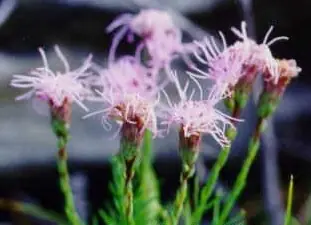
Turgid Blazing Star: A Rare Native Beauty Worth Protecting in Your Garden
Meet the turgid blazing star (Liatris turgida), a stunning native wildflower that’s as unique as its somewhat unusual name suggests. This rare perennial blazing star brings late-season magic to gardens with its distinctive purple-pink flower spikes, but there’s much more to this plant than meets the eye.
What Makes Turgid Blazing Star Special
Unlike most flowering plants that bloom from bottom to top, turgid blazing star does things differently – its bottlebrush-like flower spikes burst into bloom from the top down, creating a captivating display that unfolds over several weeks in late summer and early fall. This herbaceous perennial belongs to the sunflower family and grows as a forb, meaning it’s a non-woody plant that dies back to the ground each winter and returns from its roots the following spring.
A True Southeastern Native
Turgid blazing star is a proud native of the southeastern United States, naturally occurring in Alabama, Georgia, Maryland, North Carolina, Virginia, and West Virginia. This regional native has adapted perfectly to the growing conditions of the Appalachian region and surrounding areas, making it an excellent choice for gardeners wanting to support local ecosystems.
- Species observed
- No observations
Important Conservation Considerations
Here’s where things get serious: turgid blazing star carries a Global Conservation Status of S3, meaning it’s considered vulnerable in the wild. With only an estimated 21 to 100 natural occurrences and between 3,000 to 10,000 individual plants remaining, this beautiful native is at risk. If you choose to grow turgid blazing star, it’s crucial to source your plants or seeds from reputable native plant nurseries that use responsibly collected material – never harvest from wild populations.
Garden Appeal and Design Uses
Despite its rarity in nature, turgid blazing star makes a fantastic garden addition for the right gardener. Its purple-pink flower spikes create striking vertical interest and provide much-needed late-season color when many other native plants are winding down. The plant works beautifully in:
- Native plant gardens and naturalized landscapes
- Wildflower meadows and prairie-style plantings
- Pollinator gardens where late-season nectar is essential
- Mixed perennial borders for textural contrast
Pollinator and Wildlife Benefits
Turgid blazing star is a pollinator powerhouse, attracting butterflies, native bees, and other beneficial insects with its nectar-rich flowers. The timing of its bloom period – late summer into early fall – makes it especially valuable for pollinators preparing for winter migration or building up energy reserves.
Growing Conditions and Care
One of the best things about turgid blazing star is that it’s relatively low-maintenance once established. This adaptable native thrives in USDA hardiness zones 6-9 and prefers:
- Full sun to partial shade (at least 6 hours of direct sunlight)
- Well-drained soils of various types
- Average to poor soil fertility (it’s not picky!)
- Minimal supplemental watering once established
Planting and Care Tips
Success with turgid blazing star starts with proper planting:
- Plant in spring or fall for best establishment
- Space plants appropriately based on expected mature size
- Water regularly the first year to help roots establish
- Apply a light layer of mulch to conserve moisture and suppress weeds
- Divide clumps every 3-4 years to maintain vigor
- Leave seed heads standing through winter to provide food for birds
The Bottom Line
Growing turgid blazing star is both a gardening choice and a conservation action. By cultivating this vulnerable native species in your garden, you’re creating habitat for pollinators, supporting regional biodiversity, and potentially helping preserve genetic diversity of a rare plant. Just remember to source your plants responsibly and never collect from wild populations. With minimal care requirements and maximum ecological impact, turgid blazing star proves that sometimes the most meaningful garden additions are the ones that need our help the most.