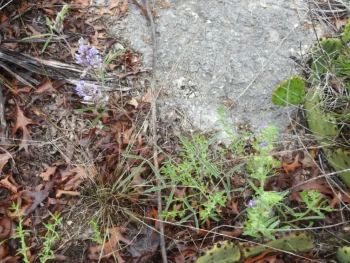
Turniproot: A Hidden Gem for Texas Native Plant Gardens
If you’re looking to add some authentic Texas character to your garden while supporting local wildlife, let me introduce you to a little-known native treasure: turniproot (Pediomelum cyphocalyx). This unassuming perennial might not win any flashy flower contests, but it’s got something better – deep Texas roots and a story worth telling.
What Exactly is Turniproot?
Turniproot is a native Texas perennial that belongs to the legume family – think of it as a wildflower cousin to your garden beans and peas. As a forb (that’s botanist-speak for a non-woody flowering plant), it stays relatively low to the ground and comes back year after year, making it a reliable addition to your native plant palette.
You might also see this plant referenced by its former scientific name, Psoralea cyphocalyx, in older gardening guides or plant catalogs.
Where Does Turniproot Call Home?
This is a true Texan through and through! Turniproot is found exclusively within the Lone Star State, particularly thriving in the central and south-central regions. It’s perfectly adapted to Texas conditions, having evolved alongside the state’s unique climate and soil conditions over thousands of years.
- Species observed
- No observations
A Word About Conservation
Here’s something important to know: turniproot has a conservation status of S3S4, which means it’s considered somewhat rare to uncommon in its native range. This doesn’t mean you can’t grow it – in fact, cultivating native plants like turniproot in home gardens can actually help support conservation efforts! Just make sure you source your plants or seeds from reputable native plant nurseries that practice responsible collection methods.
Why Choose Turniproot for Your Garden?
You might be wondering why you’d want to grow a plant that’s not exactly a showstopper. Here’s the thing – turniproot offers benefits that go way beyond flashy blooms:
- It’s perfectly adapted to Texas weather extremes
- Once established, it’s incredibly drought tolerant
- The small purple to pink flowers attract native bees and other pollinators
- It adds authentic local character to native plant gardens
- Requires minimal care and maintenance
- Helps preserve Texas’s botanical heritage
Where Does Turniproot Shine in the Garden?
Turniproot isn’t meant for formal flower beds or high-maintenance landscapes. Instead, it’s perfect for:
- Native plant gardens and prairie restorations
- Xerophytic (drought-tolerant) garden designs
- Naturalized areas where you want authentic Texas flora
- Wildlife-friendly landscapes focused on supporting local pollinators
Growing Turniproot Successfully
USDA Hardiness Zones: 7-9 (perfect for most of Texas!)
Growing Conditions: This plant is refreshingly easy-going. Turniproot prefers full sun and well-drained soil – think about the conditions in its natural Texas habitat. It’s adapted to handle heat, drought, and poor soils once established.
Planting and Care Tips
Getting Started:
- Plant in fall or early spring when temperatures are moderate
- Choose a sunny location with good drainage
- Space plants according to their mature size (check with your supplier for specific spacing)
Ongoing Care:
- Water regularly during the first growing season to help establish roots
- Once established, turniproot is quite drought tolerant
- Avoid overwatering – this Texas native prefers to stay on the drier side
- Little to no fertilization needed (native plants are adapted to local soil conditions)
Supporting Pollinators
While turniproot’s flowers might be small, they’re perfectly sized for native bees and other small pollinators. As a member of the legume family, it produces the type of blooms that many native insects have co-evolved with over millennia. By growing turniproot, you’re providing authentic food sources for Texas’s native pollinator community.
The Bottom Line
Turniproot might not be the flashiest plant in the garden center, but it offers something increasingly rare: authentic Texas character with minimal fuss. If you’re building a native plant garden, creating wildlife habitat, or simply want to grow something that truly belongs in your Texas landscape, turniproot deserves a spot on your list.
Just remember to source it responsibly – look for reputable native plant nurseries that can provide plants grown from ethically collected seeds. Your garden will gain a piece of Texas botanical heritage, and you’ll be supporting conservation efforts for this somewhat rare native species.
Sometimes the best garden additions are the quiet ones that simply belong.