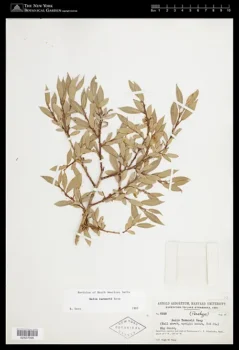
Turnor’s Willow: A Rare Canadian Native Worth Protecting
Meet Turnor’s willow (Salix turnorii), one of Canada’s lesser-known native treasures. This perennial shrub might not be on every gardener’s wishlist, but it certainly deserves our attention – and protection. If you’re the type of gardener who gets excited about rare plants and conservation, this one’s for you!
What Makes Turnor’s Willow Special
Turnor’s willow is a multi-stemmed woody shrub that typically stays under 13-16 feet tall, though like many willows, it can vary depending on growing conditions. As a member of the willow family, it shares the characteristic of having several stems arising from or near the ground, creating that classic shrubby willow appearance we know and love.
You might also see this plant listed under its synonym, Salix lutea var. turnorii, but Salix turnorii is the accepted name for this distinctly Canadian species.
Where to Find This Rare Beauty
Here’s where things get interesting – and a bit concerning. Turnor’s willow is native to Canada and currently documented in Saskatchewan. Its limited geographic distribution is part of what makes this plant so special, but also so vulnerable.
- Species observed
- No observations
A Conservation Concern
Before you start planning where to plant Turnor’s willow in your garden, there’s something important you need to know. This species carries a Global Conservation Status of S1S2, which means it’s considered imperiled and at risk. In plain terms, this willow is rare enough that we need to be very careful about how we handle it.
If you’re interested in growing Turnor’s willow, here’s the responsible approach: only obtain plants or seeds from reputable sources that can guarantee the material was ethically and sustainably collected. Never harvest from wild populations – they’re already struggling enough!
The Mystery of Growing Turnor’s Willow
Here’s where we hit a bit of a knowledge gap. Because Turnor’s willow is so rare and geographically limited, there’s surprisingly little documented information about its specific growing requirements, aesthetic qualities, or garden performance. What we do know is that as a willow, it’s likely to share some characteristics with its relatives – potentially preferring moist soils and being relatively cold-hardy given its Canadian heritage.
Should You Plant Turnor’s Willow?
This is a tricky question. On one hand, growing rare native plants in cultivation can be a valuable conservation strategy – it creates backup populations and raises awareness. On the other hand, the limited availability and conservation concerns mean this isn’t a plant for casual gardening.
If you’re seriously interested in Turnor’s willow, consider:
- Connecting with native plant societies or botanical gardens that might have conservation programs
- Ensuring any plants you acquire come from responsibly managed propagation programs
- Learning more about willow cultivation in general, as many care principles will likely apply
- Supporting habitat conservation efforts in Saskatchewan where wild populations exist
Alternative Willow Options
If you love the idea of willows but want something more readily available and better understood, consider other native willow species that are more common in cultivation. Many willows offer excellent wildlife benefits, attractive form, and easier care requirements – all while still supporting your local ecosystem.
The Bottom Line
Turnor’s willow represents both an opportunity and a responsibility. While we don’t have all the answers about growing this rare species, its conservation status makes it a plant that deserves our respect and careful stewardship. Whether you choose to grow it or simply support its conservation from afar, knowing about species like Turnor’s willow reminds us of the incredible diversity – and fragility – of our native plant heritage.
Sometimes the most important plants in our gardens are the ones that teach us about conservation, rarity, and the value of protecting what we have before it’s gone.