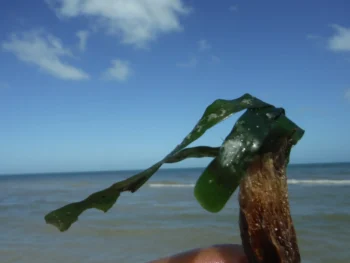
Turtlegrass: The Underwater Wonder You Can’t Grow in Your Backyard
If you’ve stumbled across the name turtlegrass while researching native plants, you might be wondering if this could be a great addition to your garden. Well, here’s the plot twist: unless your backyard happens to be the ocean, turtlegrass (Thalassia testudinum) isn’t going to work for your typical landscaping project. But don’t click away just yet! This fascinating native plant deserves some serious appreciation for the incredible work it does in our coastal ecosystems.
What Exactly Is Turtlegrass?
Turtlegrass is a true seagrass – not to be confused with the algae that sometimes gets called seaweed. This perennial marine plant lives its entire life underwater in shallow saltwater environments. Think of it as the ocean’s version of a prairie grass, forming vast underwater meadows that sway gracefully with the currents.
With its long, ribbon-like bright green leaves that can grow up to 14 inches long, turtlegrass creates dense carpets across sandy and muddy ocean floors. It’s classified as a forb, meaning it’s a vascular plant without woody tissue – basically, an underwater herb that’s perfectly adapted to life in the sea.
Where You’ll Find This Ocean Native
Turtlegrass is proudly native to the southeastern United States and Caribbean territories. You’ll find natural populations thriving in the coastal waters of Florida, Louisiana, Mississippi, Texas, Puerto Rico, and the U.S. Virgin Islands. This plant calls the warm, shallow waters of the Gulf of Mexico, Caribbean Sea, and Atlantic coast (from Florida up to North Carolina) home.
- Species observed
- No observations
Why You Can’t (and Shouldn’t Try to) Grow It
Here’s the reality check: turtlegrass is an obligate wetland species that requires very specific marine conditions to survive. We’re talking:
- Full-strength saltwater (not the kind you make at home)
- Sandy or muddy underwater substrates
- Specific water depths between 1-30 feet
- Warm tropical to subtropical temperatures year-round
- Proper water circulation and salinity levels
Unless you’re planning to install a massive saltwater ecosystem in your yard (please don’t), turtlegrass simply isn’t an option for home gardening. Even marine aquarium enthusiasts find it incredibly challenging to maintain.
Why This Plant Matters (Even If You Can’t Grow It)
Just because you can’t plant turtlegrass doesn’t mean it’s not worth knowing about. These underwater meadows are ecological powerhouses that:
- Provide critical habitat for countless marine species
- Stabilize seafloor sediments and prevent erosion
- Filter and clean coastal waters
- Serve as nursery areas for commercially important fish
- Support entire food webs in coastal ecosystems
The name turtlegrass comes from the fact that it’s a favorite food of sea turtles, particularly green sea turtles, which graze on these underwater lawns like marine cows.
What You Can Do Instead
If you’re interested in supporting native coastal ecosystems, consider these alternatives for your garden:
- Plant native coastal dune grasses if you live near the shore
- Choose native wetland plants for rain gardens or pond edges
- Support organizations working to protect seagrass habitats
- Visit and appreciate natural seagrass beds through snorkeling or glass-bottom boat tours
The Bottom Line
Turtlegrass is a testament to nature’s incredible diversity and adaptation. While it won’t be joining your perennial border anytime soon, this remarkable native plant reminds us that gardens come in all forms – including the vast underwater meadows that grace our coastal waters. Sometimes the best way to appreciate a native plant is simply to marvel at its specialized role in the ecosystem and support its conservation from afar.
So next time you’re near the coast, take a moment to appreciate these hidden underwater gardens. They may not fit the traditional definition of landscaping, but they’re doing some of the most important environmental work on our planet – one ribbon-like leaf at a time.