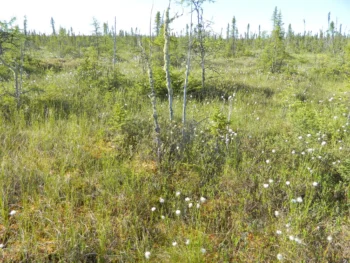
Tussock Cottongrass: A Fluffy Native Beauty for Wetland Gardens
If you’ve ever wondered what those adorable white puffs dancing in northern wetlands are, meet tussock cottongrass! Despite its common name, this charming plant isn’t actually a grass at all – it’s a sedge that brings both beauty and ecological value to the right garden setting.
What Exactly Is Tussock Cottongrass?
Tussock cottongrass (Eriophorum vaginatum var. spissum) is a perennial sedge that forms distinctive clumps or tussocks in wet, acidic soils. This hardy native creates some of the most eye-catching seed displays you’ll find in the plant world – imagine tiny cotton balls on stems swaying in the breeze. It’s also known by several botanical synonyms including Eriophorum spissum Fernald, but tussock cottongrass is much easier to remember!
Where Does It Call Home?
This cold-loving native has an impressive range across North America. You’ll find wild populations thriving from Alaska down through Canada’s provinces (Manitoba, New Brunswick, Nova Scotia, Ontario, Prince Edward Island, Quebec, Saskatchewan, Northwest Territories, and Nunavut) and into the northern United States. In the lower 48, it grows in Connecticut, Indiana, Maine, Massachusetts, Michigan, Minnesota, New Hampshire, New Jersey, New York, Pennsylvania, Rhode Island, Vermont, and Wisconsin. It even extends its range to Newfoundland, Labrador, St. Pierre and Miquelon, and Greenland.
- Species observed
- No observations
A Word About Conservation
Here’s something important to know: in New Jersey, tussock cottongrass is listed as Endangered and is specially protected in the Pinelands and Highlands regions. If you’re considering adding this beauty to your garden, please ensure you source it from reputable native plant nurseries that propagate their own stock rather than wild-collecting.
Why You Might Want This Fluffy Wonder
Tussock cottongrass isn’t your typical garden center find, but for the right situation, it’s absolutely magical:
- Unique visual appeal: Those cotton-ball seed heads are pure poetry in motion
- Native authenticity: Perfect for gardeners wanting to support local ecosystems
- Low maintenance: Once established in the right conditions, it largely takes care of itself
- Habitat value: Provides structure and nesting material for wildlife
- Wetland restoration: Excellent choice for rain gardens and bog restoration projects
Is This Plant Right for Your Garden?
Let’s be honest – tussock cottongrass isn’t for everyone. This specialized beauty thrives in conditions that would make most garden plants quite unhappy. It’s perfect for:
- Bog gardens and wetland areas
- Rain gardens with consistently moist soil
- Naturalistic landscapes in northern climates
- Restoration projects in appropriate ecosystems
- Gardeners in USDA hardiness zones 2-6 who love unique textures
However, if you have a typical suburban garden with average soil drainage, this probably isn’t your plant. It really needs those wet, acidic conditions to thrive.
Growing Tussock Cottongrass Successfully
If you’ve got the right spot and can source this plant responsibly, here’s how to keep it happy:
Soil Requirements: Acidic soil (pH 4.5-6.0) that stays consistently moist to wet. Think bog conditions – if your soil drains well, this isn’t the right choice.
Light Needs: Full sun to partial shade, though it tends to be most vigorous with plenty of sunlight.
Planting: Spring is the best time to plant. Space them according to your design goals – they’ll naturally form clumps over time.
Watering: Once established in wet conditions, supplemental watering shouldn’t be necessary. The key is maintaining that bog-like moisture level.
Maintenance: Minimal! You can leave the seed heads for winter interest and wildlife, then clean up in early spring before new growth begins.
The Bottom Line
Tussock cottongrass is definitely a specialty plant for specialty situations. If you’re creating a bog garden, working on wetland restoration, or have that perfect wet, acidic spot that’s been challenging to plant, this native beauty could be exactly what you’re looking for. Just remember to source it responsibly, especially given its endangered status in some areas. When grown in the right conditions, those dancing cotton balls will reward you with years of unique beauty and the satisfaction of supporting native biodiversity.