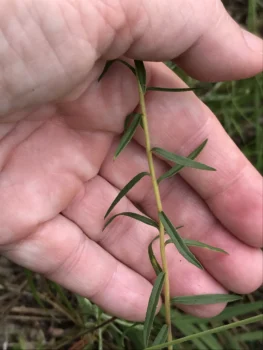
Twistleaf Goldenrod: A Hidden Gem for Native Plant Enthusiasts
If you’re looking to add a touch of late-season sunshine to your garden while supporting native wildlife, let me introduce you to twistleaf goldenrod (Solidago tortifolia). This charming native perennial might not be the showiest plant in the garden center, but it’s got personality—and those distinctive twisted leaves that give it its common name are just the beginning of what makes this goldenrod special.
What Makes Twistleaf Goldenrod Special?
Twistleaf goldenrod is a native forb that brings subtle beauty to the landscape with its clusters of small, bright yellow flowers that bloom in late summer and fall. Unlike its more aggressive goldenrod cousins, this species has a more refined growth habit and won’t take over your entire garden. The plant’s most distinctive feature—its twisted, spiraling leaves—creates interesting texture even when it’s not in bloom.
Where You’ll Find It Growing Wild
This southeastern native calls the following states home: Alabama, Arkansas, Florida, Georgia, Louisiana, Mississippi, North Carolina, South Carolina, Texas, and Virginia. It’s perfectly adapted to the climate and growing conditions of the southeastern United States, making it an excellent choice for gardeners in these regions who want to support local ecosystems.
- Species observed
- No observations
Important Conservation Note
Before you rush to plant twistleaf goldenrod, here’s something important to know: This species has a rarity status of S2 in Arkansas, meaning it’s considered imperiled in that state. If you’re interested in growing this plant, please ensure you source it responsibly from reputable native plant nurseries rather than collecting from wild populations. By choosing nursery-grown plants, you’ll help protect wild populations while still enjoying this beautiful native in your garden.
Why Your Garden (and Local Wildlife) Will Love It
Twistleaf goldenrod is a pollinator magnet, attracting butterflies, native bees, and other beneficial insects when it blooms in late summer and fall—a time when many other flowers have finished their show. This timing makes it particularly valuable for supporting migrating butterflies and helping pollinators prepare for winter.
The plant works beautifully in:
- Native plant gardens
- Woodland edges and naturalized areas
- Pollinator gardens
- Low-maintenance landscape designs
Growing Twistleaf Goldenrod Successfully
One of the best things about this goldenrod is how easy it is to grow once established. It’s hardy in USDA zones 6-9, making it suitable for most of the southeastern United States where it naturally occurs.
Growing conditions:
- Light: Partial shade to full sun (though it tolerates more shade than many goldenrods)
- Soil: Well-drained soils; not particular about soil type
- Water: Drought tolerant once established, but benefits from occasional watering during dry spells
- Maintenance: Very low maintenance—just cut back in late winter or early spring
Planting and Care Tips
Plant twistleaf goldenrod in spring or fall, giving it space to reach its mature size. While specific height and width data varies, most goldenrods in this group form clumps that slowly spread over time. Water regularly during the first growing season to help establish a strong root system, then step back and let nature take over.
This perennial may self-seed modestly, but it’s not aggressive about spreading. If you want to encourage more plants, you can divide established clumps in early spring or collect seeds when they’re ripe in fall.
The Bottom Line
Twistleaf goldenrod deserves a spot in native plant gardens throughout the Southeast. It’s low-maintenance, supports important pollinators, and adds late-season interest with its unique foliage and cheerful flowers. Just remember to source your plants responsibly to help protect wild populations of this somewhat rare native. Your garden—and the local ecosystem—will thank you for it.