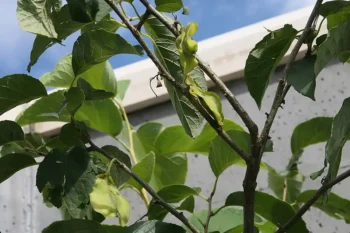
Two-Wing Silverbell: A Charming Native Shrub for Woodland Gardens
If you’re looking to add a touch of springtime magic to your woodland garden, the two-wing silverbell (Halesia diptera) might just be the native gem you’ve been searching for. This delightful southeastern native brings both beauty and ecological value to the right garden setting, though it does have some specific preferences that are worth understanding before you plant.
What Makes Two-Wing Silverbell Special?
The two-wing silverbell is a perennial shrub that typically grows as a multi-stemmed woody plant, usually staying under 15 feet tall. What makes this plant particularly charming is its spring flower display – clusters of white, bell-shaped blooms that dangle gracefully from the branches like tiny lanterns. The show doesn’t stop there; come fall, the foliage turns a lovely yellow, and the plant produces distinctive winged seed pods that give it part of its common name.
This native beauty has a moderate growth rate and maintains an upright, erect form that works beautifully as an understory specimen in naturalized settings.
Where Does Two-Wing Silverbell Come From?
Two-wing silverbell is native to the southeastern United States, naturally occurring across Alabama, Arkansas, Florida, Georgia, Louisiana, Mississippi, South Carolina, and Texas. It’s particularly at home in the coastal plains and lower elevations of these regions.
- Species observed
- No observations
Important note for Arkansas gardeners: This plant has a rarity status of SH in Arkansas, meaning it’s historically known from the state but may be quite uncommon. If you’re in Arkansas and want to grow this species, make sure to source your plants responsibly from reputable native plant nurseries.
Is Two-Wing Silverbell Right for Your Garden?
This native shrub is perfect if you’re creating:
- Woodland or forest gardens
- Native plant landscapes
- Informal, naturalized areas
- Understory plantings beneath taller trees
The two-wing silverbell thrives in USDA hardiness zones 7-9, making it suitable for much of the southeastern United States where it naturally occurs.
Growing Conditions and Care
Here’s where two-wing silverbell gets a bit particular – it has some specific preferences that you’ll want to accommodate:
Soil Requirements:
- Prefers fine to medium-textured soils
- Needs acidic conditions (pH 6.0-8.0, but prefers the lower end)
- Requires good drainage but consistent moisture
- Minimum root depth of 36 inches
Light and Water:
- Intermediate shade tolerance – perfect for understory conditions
- Low drought tolerance – needs regular watering
- Requires 33-68 inches of precipitation annually
Other Considerations:
- Low tolerance for salt
- Minimum temperature tolerance around 10°F
- Needs at least 247 frost-free days per year
Planting and Establishment Tips
Two-wing silverbell is typically propagated by cuttings rather than seed. When planting:
- Choose a location with partial shade and protection from harsh winds
- Ensure consistent moisture during the establishment period
- Mulch around the base to retain soil moisture
- Plant in spring after the last frost date
- Space plants appropriately – you can fit 320-640 plants per acre depending on your design goals
Wildlife and Pollinator Benefits
As a native plant, two-wing silverbell supports local ecosystems in important ways. The spring flowers attract bees and other pollinators, providing an early-season nectar source when many plants are just beginning to wake up from winter dormancy.
The plant’s wetland status varies by region but is generally classified as facultative, meaning it can grow in both wetland and upland conditions, making it quite adaptable within its preferred habitat range.
The Bottom Line
Two-wing silverbell is a wonderful choice for gardeners in the Southeast who want to create authentic woodland landscapes with native plants. While it does have specific moisture and soil requirements that might not suit every garden, it rewards the right conditions with lovely spring flowers, attractive fall color, and important ecological benefits.
If you can provide the acidic, moist but well-draining soil it prefers, and you have a partially shaded spot that needs a charming native shrub, two-wing silverbell could be exactly what your garden needs. Just remember to source responsibly, especially if you’re gardening in Arkansas where this species is considered rare.