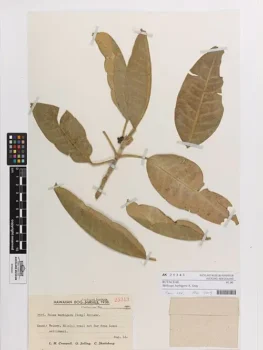
Uahiapele: A Rare Hawaiian Native Tree Worth Preserving in Your Garden
If you’re passionate about native Hawaiian plants and want to make a meaningful contribution to conservation, uahiapele (Melicope barbigera) might just be the perfect addition to your tropical garden. This charming endemic tree is more than just a pretty face – it’s a living piece of Hawaiian natural heritage that’s becoming increasingly rare in the wild.
Meet the Uahiapele
Uahiapele belongs to the citrus family and is found only in the Hawaiian Islands, making it a true island endemic. Previously known by botanists as Pelea barbigera, this native tree has earned its place as a treasured component of Hawaii’s unique forest ecosystems.
Where Does Uahiapele Call Home?
This special tree is native exclusively to Hawaii, where it naturally grows in the mesic to wet forests across several islands. Unfortunately, like many Hawaiian natives, uahiapele populations have declined significantly due to habitat loss and invasive species pressure.
- Species observed
- No observations
Why Consider Planting Uahiapele?
Important Conservation Note: Uahiapele has a Global Conservation Status of S2S3, which means it’s considered rare to uncommon in its native range. If you choose to grow this plant, please ensure you source it only from reputable native plant nurseries that propagate from ethically collected seeds or cuttings.
Here’s why this rare beauty deserves a spot in your garden:
- Supports native Hawaiian ecosystem restoration
- Provides habitat and food for native insects and birds
- Adds authentic Hawaiian character to your landscape
- Relatively low-maintenance once established
- Beautiful glossy foliage and delicate flowers
What Does Uahiapele Look Like?
This perennial tree typically grows as a single-trunked specimen reaching 13-16 feet or more in height, though it can sometimes develop a multi-stemmed growth form depending on conditions. The tree features attractive compound leaves with a glossy green appearance that catches the light beautifully. Small, delicate white to pale yellow flowers appear seasonally, adding subtle charm to the overall appearance.
Perfect Garden Settings
Uahiapele thrives in:
- Native Hawaiian plant gardens
- Tropical restoration projects
- Shade gardens with filtered light
- Conservation-focused landscapes
- Specimen tree plantings
Growing Conditions and Care
Climate Requirements: This tropical native is suited only for USDA hardiness zones 10-12, making it perfect for Hawaii, southern Florida, and similar warm climates.
Light and Soil: Uahiapele prefers partial shade to filtered sunlight, mimicking its natural forest habitat. Well-draining soil with good organic content works best, though the tree can adapt to various soil types as long as drainage is adequate.
Water Needs: Consistent moisture is key to success, but avoid waterlogged conditions. Think moist but not soggy – similar to what you’d find on a forest floor.
Planting and Care Tips
- Plant in a location with morning sun and afternoon shade
- Apply organic mulch around the base to retain moisture
- Water regularly during dry periods, especially when young
- Minimal pruning required – just remove dead or damaged branches
- Be patient – like many natives, it may take time to establish
Supporting Pollinators and Wildlife
When uahiapele blooms, its small flowers attract various native Hawaiian insects, contributing to the local pollinator network. The tree also provides nesting sites and shelter for native birds, making it a valuable addition to wildlife-friendly gardens.
The Bottom Line
Uahiapele is definitely worth growing if you’re in the right climate zone and committed to supporting Hawaiian native plant conservation. Just remember the golden rule: always source your plants responsibly from reputable native plant nurseries. By choosing to grow this rare native tree, you’re not just adding beauty to your garden – you’re becoming a steward of Hawaiian natural heritage.
Whether you’re restoring a native ecosystem or simply want to connect with Hawaii’s unique botanical legacy, uahiapele offers both conservation value and quiet beauty that makes it a truly special addition to the right garden.