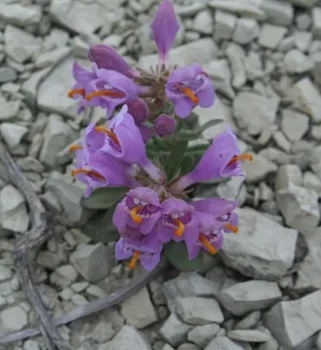
Uinta Basin Beardtongue: A Rare Gem for the Responsible Native Gardener
Meet the Uinta Basin beardtongue (Penstemon grahamii), a delicate wildflower that’s as exclusive as it is beautiful. This little-known native perennial might just be the conversation starter your garden has been waiting for – but there’s a catch that every responsible gardener needs to know about first.
A True Regional Native with Limited Range
The Uinta Basin beardtongue is a homebody in the truest sense, calling only a small corner of the American West its home. You’ll find this rare beauty naturally occurring in northeastern Utah and northwestern Colorado, specifically in the unique ecosystem of the Uinta Basin region. It’s what botanists call an endemic species – meaning it exists nowhere else on Earth naturally.
- Species observed
- No observations
The Rarity Factor: Why This Matters
Here’s where things get serious: Penstemon grahamii carries a Global Conservation Status of S2, meaning it’s considered Imperiled. In plain English, this plant is extremely rare, with typically only 6 to 20 known populations remaining in the wild, and possibly only 1,000 to 3,000 individual plants total. This rarity makes it especially vulnerable to disappearing forever.
If you’re considering adding this plant to your garden, please only source it from reputable native plant nurseries that propagate from ethically collected seed – never dig plants from the wild.
What Makes It Garden-Worthy
Despite its rarity, the Uinta Basin beardtongue has several qualities that make it appealing to dedicated native plant enthusiasts:
- Delicate tubular flowers in shades of purple-blue that bloom in late spring to early summer
- Low-growing herbaceous perennial that fits well in rock gardens and xeriscapes
- Excellent pollinator plant, attracting native bees, butterflies, and hummingbirds
- Drought-tolerant once established, perfect for water-wise gardening
- Authentic regional character that connects your garden to local ecosystems
Growing Conditions and Care
This beardtongue has adapted to some pretty specific conditions in its native habitat, so success in cultivation requires mimicking those conditions:
- Sunlight: Full sun exposure
- Soil: Well-draining soil is absolutely critical – this plant hates wet feet
- Water: Drought-tolerant once established; minimal supplemental watering needed
- Soil pH: Adapted to alkaline soils, typical of its native region
- Hardiness: Suitable for USDA zones 4-7
Best Garden Applications
The Uinta Basin beardtongue isn’t your typical border perennial. It shines best in:
- Specialized native plant gardens focused on regional flora
- Rock gardens and alpine-style plantings
- Xeriscaping and drought-tolerant landscapes
- Naturalistic gardens that celebrate local ecosystems
- Pollinator gardens emphasizing native species
The Bottom Line: Should You Grow It?
The Uinta Basin beardtongue is a plant for the truly dedicated native gardener who understands the responsibility that comes with growing rare species. If you live within or near its native range and can provide the right growing conditions, this plant offers a unique opportunity to support conservation through cultivation.
However, remember that with great rarity comes great responsibility. Only purchase from nurseries that can verify their plants were grown from ethically sourced seed, and consider this more of a conservation effort than a typical gardening project. Your garden could become a small refuge for this imperiled species – and that’s pretty special.
For gardeners outside its native range or those seeking easier alternatives, consider other Penstemon species native to your region. The vast Penstemon family offers many more common species that provide similar benefits without the conservation concerns.