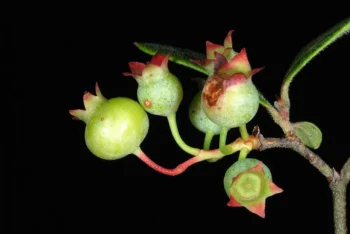
Upland Highbush Blueberry: A Hidden Gem for Native Gardens
If you’re looking to add authentic native charm to your landscape while supporting local wildlife, the upland highbush blueberry (Vaccinium simulatum) might just be the perfect shrub you’ve never heard of. This delightful native offers the classic appeal of blueberries with the added bonus of being perfectly adapted to southeastern growing conditions.
What Makes Upland Highbush Blueberry Special
The upland highbush blueberry is a perennial shrub that typically grows as a multi-stemmed woody plant, usually staying under 13-16 feet in height. Don’t let the name fool you – while it’s related to the blueberries you might grow for fruit, this native species brings its own unique character to the garden.
You might also see this plant listed under its synonyms Cyanococcus simulatus or Vaccinium stamineum var. sericeum in older botanical references, but Vaccinium simulatum is the accepted name today.
Where It Calls Home
This southeastern native has quite an impressive range, naturally growing across Alabama, Florida, Georgia, Kentucky, North Carolina, Ohio, South Carolina, Tennessee, Virginia, and West Virginia. It’s a true regional treasure that’s perfectly adapted to local conditions.
- Species observed
- No observations
Garden Appeal and Seasonal Interest
The upland highbush blueberry offers multi-season beauty that makes it a valuable addition to any native landscape:
- Spring brings clusters of small, bell-shaped flowers in white to soft pink
- Summer produces dark blue berries that wildlife absolutely love
- Fall delivers stunning foliage colors ranging from bright yellow to vibrant red-orange
- Winter reveals attractive branching structure
Perfect Spots in Your Landscape
This versatile native shrub shines in several garden settings:
- Woodland gardens as a natural understory plant
- Native plant gardens for authentic regional character
- Wildlife gardens to support local fauna
- Naturalized landscapes for low-maintenance beauty
- Mixed shrub borders for seasonal interest
Growing Conditions and Care
One of the best things about native plants is how well they adapt to local conditions, and upland highbush blueberry is no exception. Here’s what it needs to thrive:
Hardiness: Zones 5-8, making it suitable for most of its native range
Light: Adaptable from partial shade to full sun, though it naturally grows as an understory plant
Soil: Prefers acidic, well-draining soils with good organic content
Water: Moderate moisture needs – it’s classified as Facultative Upland, meaning it usually grows in non-wetland areas but can tolerate some moisture
Planting and Care Tips
Getting your upland highbush blueberry established is straightforward:
- Plant in spring or fall for best establishment
- Amend soil with organic matter like compost or leaf mold
- Apply a 2-3 inch layer of mulch to retain moisture and suppress weeds
- Water regularly the first year, then let natural rainfall take over
- Minimal pruning needed – just remove dead or damaged branches
- Avoid fertilizing heavily; native plants prefer lean soils
Wildlife and Pollinator Benefits
Here’s where upland highbush blueberry really shines – it’s a wildlife magnet! The spring flowers attract native bees, butterflies, and other beneficial pollinators, while the summer berries provide food for birds and small mammals. It’s like installing a natural wildlife feeding station in your yard.
Should You Plant It?
If you’re gardening within its native range, absolutely! Upland highbush blueberry offers the perfect combination of low-maintenance care, seasonal beauty, and ecological benefits. It’s particularly valuable if you’re working to create habitat for native wildlife or want to incorporate more indigenous plants into your landscape.
The fact that it’s naturally adapted to your local climate means less work for you and better long-term success. Plus, you’ll be supporting the native ecosystem that has evolved alongside this plant for thousands of years.
While it may not be as flashy as some non-native alternatives, the upland highbush blueberry offers the kind of quiet, enduring beauty that makes a landscape feel truly connected to its place. And isn’t that exactly what native gardening is all about?