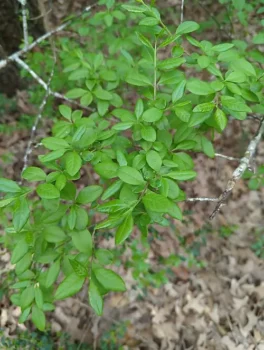
Upland Swamp Privet: A Hidden Gem for Southern Gardens
Meet upland swamp privet (Forestiera ligustrina), one of the South’s best-kept gardening secrets. This unassuming native shrub might not win any beauty contests, but don’t let its modest appearance fool you – it’s a workhorse that deserves a spot in more Southern landscapes.
What Exactly Is Upland Swamp Privet?
Despite its common name, upland swamp privet isn’t actually related to true privets. This native shrub is a multi-stemmed, deciduous plant that typically stays under 13-16 feet tall, making it perfect for smaller gardens. As a perennial woody plant, it’ll be a long-term companion in your landscape, returning year after year with minimal fuss.
You might also see this plant listed under its synonym Forestiera autumnalis, but rest assured – it’s the same reliable native species.
Where Does It Call Home?
This southeastern native feels right at home across nine states: Alabama, Florida, Georgia, Kentucky, Louisiana, Mississippi, South Carolina, Tennessee, and Texas. It’s perfectly adapted to the climate and growing conditions of USDA hardiness zones 6-9.
- Species observed
- No observations
A Word About Rarity
Here’s something important to know: upland swamp privet has a rarity status of S1 in Arkansas, meaning it’s quite uncommon there. If you’re planning to add this native beauty to your garden, please source it responsibly from reputable native plant nurseries rather than collecting from the wild.
Why Your Garden Will Love This Plant
What makes upland swamp privet special? Its adaptability. This shrub has facultative wetland status across multiple regions (Atlantic and Gulf Coastal Plain, Eastern Mountains and Piedmont, and Great Plains), which means it’s equally happy in wet spots and regular garden soil. Talk about flexibility!
Here’s why you might want to consider it:
- Perfect for naturalized landscapes and woodland gardens
- Excellent choice for rain gardens or areas with variable moisture
- Great for erosion control on slopes
- Low-maintenance once established
- Supports native ecosystems
The Aesthetic Appeal
While upland swamp privet won’t stop traffic with showy blooms, it has its own quiet charm. In early spring, small yellowish-green flowers appear before the leaves emerge, providing early-season interest. Come fall, you’ll be treated to small blue-black fruits and lovely yellow autumn foliage.
Growing Upland Swamp Privet Successfully
The best part about this native? It’s refreshingly easy to grow. Here’s what you need to know:
Planting Conditions
- Light: Partial shade to full sun (quite adaptable)
- Soil: Tolerates various soil types and moisture levels
- Water: Adaptable to both wet and dry conditions
- Space: Allow room for its multi-stemmed growth habit
Care Tips
- Minimal pruning required – just remove dead or damaged branches
- Very low maintenance once established
- No major pest or disease issues
- Drought tolerant after first growing season
Perfect Garden Partners
Upland swamp privet shines in native plant gardens and naturalized settings. It’s an excellent choice for:
- Understory plantings beneath taller trees
- Natural area restoration projects
- Wildlife-friendly landscapes
- Rain gardens and bioswales
- Informal hedge or screen plantings
The Bottom Line
If you’re looking for a low-maintenance, adaptable native shrub that supports local ecosystems, upland swamp privet deserves serious consideration. It might not be the flashiest plant in the garden center, but its reliability and ecological benefits make it a smart choice for Southern gardeners who appreciate understated native beauty.
Just remember to source your plants responsibly from reputable native plant nurseries, especially given its rarity status in some areas. Your local ecosystem – and future generations of gardeners – will thank you for choosing this worthy native over more common (and often non-native) alternatives.