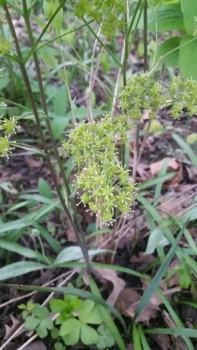
Upright Carrionflower: A Lesser-Known Native Gem for Your Garden
Meet the upright carrionflower (Smilax ecirrhata), a quietly charming native perennial that’s flying under the radar in most gardening circles. While it may not have the flashy appeal of showier natives, this humble herbaceous plant offers something special for gardeners looking to expand their native plant palette with truly authentic regional species.
What Is Upright Carrionflower?
Upright carrionflower is a perennial forb—basically a non-woody herbaceous plant that comes back year after year. Unlike its climbing cousins in the Smilax family, this species lives up to its upright name by growing without the need for support structures. It’s also known by the synonym Nemexia ecirrhata in older botanical references, so don’t be confused if you see it listed under that name.
Where Does It Call Home?
This native beauty has quite an impressive range across North America. You’ll find upright carrionflower naturally occurring from the Canadian province of Ontario down through much of the central and eastern United States. Its documented range includes Arkansas, Florida, Georgia, Illinois, Indiana, Iowa, Kansas, Kentucky, Maryland, Michigan, Minnesota, Mississippi, Missouri, Nebraska, North Dakota, Ohio, Oklahoma, South Dakota, Tennessee, Virginia, West Virginia, and Wisconsin.
- Species observed
- No observations
A Rare Find Worth Protecting
Here’s where things get interesting—and important. In Arkansas, upright carrionflower holds a rarity status of SH (State Historical), meaning it’s considered extremely rare or possibly extinct in that state. If you’re fortunate enough to find seeds or plants available, make sure you’re sourcing them responsibly from reputable native plant nurseries or seed companies that ethically collect their materials.
Should You Grow Upright Carrionflower?
The honest truth? Information about growing upright carrionflower is surprisingly limited, which tells us this plant is still waiting for its moment in the gardening spotlight. What we do know is that it’s a legitimate native species with a broad natural range, making it a fascinating choice for gardeners who want to support truly local ecosystems.
Growing Conditions and Care
While specific growing information for Smilax ecirrhata is limited in horticultural literature, we can make some educated guesses based on its natural habitat and family characteristics:
- Likely prefers partial shade to full sun
- Probably adaptable to various soil types within its native range
- As a native perennial, should be relatively low-maintenance once established
- May benefit from naturalistic growing conditions rather than formal garden settings
Best Garden Applications
Given its herbaceous nature and native status, upright carrionflower would likely work well in:
- Native plant gardens and restorations
- Woodland or naturalistic landscapes
- Prairie or meadow plantings within its native range
- Wildlife habitat gardens
The Bottom Line
Upright carrionflower represents one of those intriguing native plants that deserves more attention from adventurous gardeners. While we don’t have extensive cultivation information yet, its broad native range suggests it’s likely adaptable and resilient. If you can source it responsibly and you’re within its native range, why not give this underappreciated native a chance to shine in your garden?
Just remember: if you’re in Arkansas or another area where it might be rare, please only obtain plants from ethical sources and consider yourself a steward of this special species. Sometimes the most rewarding garden plants are the ones that challenge us to learn something new!