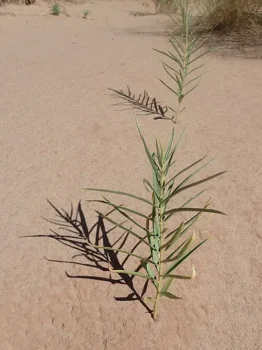
Utah Milkweed: A Rare Gem for Native Plant Enthusiasts
If you’re a Utah gardener passionate about native plants and pollinator conservation, you might want to learn about Utah milkweed (Asclepias labriformis). This perennial native is one of those special plants that makes you feel like you’re part of an exclusive club – and for good reason!
What Makes Utah Milkweed Special?
Utah milkweed is a true Utah native, found naturally only within the state’s borders. As a member of the milkweed family, it shares the classic characteristics that make these plants so valuable: white to pale pink flowers arranged in attractive clusters called umbels, and narrow leaves that give the plant an elegant appearance.
But here’s where things get interesting – and a bit serious. This plant has a Global Conservation Status of S3, meaning it’s considered vulnerable. With typically only 21 to 100 occurrences and between 3,000 to 10,000 individuals in the wild, Utah milkweed is genuinely rare.
Where Does It Grow?
Utah milkweed is endemic to Utah, making it a true state treasure. You won’t find this plant naturally occurring anywhere else in the world.
- Species observed
- No observations
Should You Plant Utah Milkweed?
The short answer is: maybe, but with important caveats. Here’s what you need to consider:
The Good News
- Supports monarch butterflies and other native pollinators
- Serves as a host plant for monarch caterpillars
- Perfectly adapted to Utah’s climate conditions
- Drought tolerant once established
- Adds authentic local character to native plant gardens
The Important Warning
Because Utah milkweed is rare and vulnerable, only plant it if you can source it responsibly. This means purchasing from reputable native plant nurseries that propagate their own stock rather than wild-collecting. Never dig up plants from the wild – this could harm already vulnerable populations.
Growing Utah Milkweed Successfully
Ideal Growing Conditions
- Sunlight: Full sun
- Soil: Well-drained, dry soils
- Water: Drought tolerant; avoid overwatering
- Hardiness: USDA zones 4-8
Planting and Care Tips
Utah milkweed isn’t particularly fussy, but it does have some specific needs:
- Plant in spring after the last frost
- Ensure excellent drainage – soggy soils can kill this plant
- Water regularly the first year to establish roots, then reduce watering
- Avoid fertilizing; native plants prefer lean soils
- Allow seed pods to mature if you want to collect seeds for propagation
Garden Design Ideas
Utah milkweed works beautifully in:
- Native Utah plant gardens
- Xerophytic (dry) gardens
- Pollinator gardens
- Naturalized meadow areas
Pair it with other Utah natives like penstemon, Indian paintbrush, or native grasses for a truly authentic landscape.
The Bottom Line
Utah milkweed is a plant for dedicated native plant gardeners who want to make a real difference in conservation. If you can source it responsibly and provide the right growing conditions, you’ll be supporting both local biodiversity and monarch butterfly populations. Just remember – with great plants comes great responsibility!
Consider this plant if you’re committed to native gardening and want to grow something truly special. Your local monarchs (and the plant conservation community) will thank you.