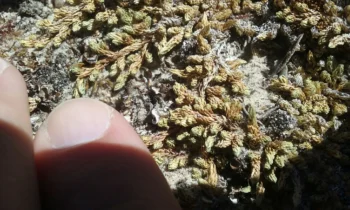
Utah Spikemoss: A Fascinating Ancient Plant for Your Garden
Meet Utah spikemoss (Selaginella utahensis), a captivating little plant that’s been quietly thriving in the American Southwest for millions of years. This isn’t your typical garden plant – it’s actually a lycopod, one of the most ancient groups of vascular plants on Earth, predating even the dinosaurs!
What Exactly Is Utah Spikemoss?
Despite its common name, Utah spikemoss isn’t actually a moss at all. It’s a perennial lycopod that forms dense, cushion-like mats with tiny, scale-like leaves. Think of it as nature’s living fossil – these plants have been perfecting their survival strategy since long before flowering plants appeared on the scene.
Unlike true mosses, Utah spikemoss has a vascular system with roots, stems, and leaves. It reproduces through spores rather than flowers, which explains why you won’t see any colorful blooms. What you will see is an intricate, almost architectural pattern of tiny leaves that create fascinating textural interest.
Where Does Utah Spikemoss Call Home?
This native plant species is naturally found in the southwestern United States, specifically in Nevada and Utah. It thrives in the arid and semi-arid landscapes of these regions, tucked into rocky crevices and sandy soils where many other plants struggle to survive.
- Species observed
- No observations
Is Utah Spikemoss Beneficial in Gardens?
Absolutely! Here’s why gardeners are discovering the unique appeal of Utah spikemoss:
- Drought tolerance: Once established, it requires minimal water, making it perfect for xeriscaping and water-wise gardens
- Textural interest: Creates beautiful contrast against rocks, succulents, and other drought-tolerant plants
- Low maintenance: Requires little care once properly situated
- Year-round interest: As a perennial, it provides consistent structure and color throughout the seasons
- Erosion control: Dense mats help stabilize soil on slopes and in rocky areas
Perfect Garden Settings for Utah Spikemoss
Utah spikemoss shines in specialized garden environments:
- Rock gardens and alpine gardens
- Xeriscapes and desert-themed landscapes
- Between stepping stones or in rock wall crevices
- As groundcover in areas with excellent drainage
- Containers with succulent and cactus collections
How to Identify Utah Spikemoss
Look for these distinctive characteristics:
- Dense, cushion-like growth habit forming low mats
- Tiny, scale-like leaves arranged in overlapping patterns
- No visible flowers (reproduces via spores)
- Typically grows 2-4 inches tall but can spread several inches wide
- Leaves may appear bluish-green to gray-green in color
Growing Conditions and Care
Utah spikemoss thrives in conditions that mimic its native habitat:
- Soil: Well-draining, sandy or rocky soil is essential – soggy conditions will quickly kill this plant
- Light: Full sun to partial shade
- Water: Minimal once established; overwatering is the quickest way to lose this plant
- Hardiness: Generally hardy in USDA zones 5-9
- Placement: Excellent drainage is non-negotiable
Important Conservation Note
Before you rush out to find Utah spikemoss, there’s something important to know: this species has a conservation status that suggests it may be somewhat rare or uncommon in parts of its range. If you’re interested in adding this fascinating plant to your garden, please ensure you source it responsibly from reputable native plant nurseries rather than collecting from wild populations.
Many specialized native plant nurseries are beginning to offer spikemoss species, and supporting these businesses helps promote conservation while giving you access to properly propagated plants.
The Bottom Line
Utah spikemoss offers something truly unique for the adventurous gardener – a living connection to ancient plant lineages combined with practical benefits for modern sustainable landscaping. While it may not provide the flashy flowers that attract pollinators, it offers subtle beauty, incredible drought tolerance, and the satisfaction of growing something genuinely special.
If you’re creating a rock garden, xeriscaping, or simply want to add an unusual textural element to your landscape, Utah spikemoss could be exactly what you’re looking for. Just remember to source it responsibly and provide the excellent drainage it absolutely requires to thrive.