Vahl’s Box: A Rare Caribbean Gem Worth Protecting
Meet Vahl’s box (Buxus vahlii), a little-known member of the boxwood family that’s fighting for survival in the wild. This evergreen shrub might not be a household name like its more common cousins, but it has a story worth telling – and for the right gardener, it could be worth growing.
What Makes Vahl’s Box Special?
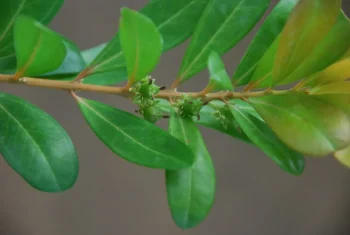
Vahl’s box is a perennial, multi-stemmed woody shrub that typically stays under 13-16 feet tall, though it usually grows much smaller in cultivation. Like other boxwoods, it features dense, glossy green foliage that stays attractive year-round. Don’t expect showy flowers – this plant is all about that classic boxwood elegance with its neat, compact growth habit.
You might also see this plant listed under its botanical synonym, Tricera vahlii, but Buxus vahlii is the accepted scientific name.
Where Does It Come From?
This Caribbean native calls Puerto Rico and the U.S. Virgin Islands home. It’s what botanists call an endemic species – meaning it naturally occurs nowhere else on Earth. You’ll find it growing in Puerto Rico and the Virgin Islands, where it has adapted to the unique conditions of these tropical islands.
- Species observed
- No observations
The Conservation Reality Check
Here’s where things get serious: Vahl’s box is critically endangered. With a Global Conservation Status of S1, this plant is hanging on by a thread in the wild. The U.S. lists it as Endangered, with typically fewer than 5 occurrences or very few remaining individuals (less than 1,000) in existence.
What does this mean for gardeners? If you’re interested in growing Vahl’s box, you have a responsibility to source it ethically. Only purchase plants from reputable nurseries that can verify their stock comes from legitimate conservation programs or legally propagated sources – never from wild-collected specimens.
Should You Grow Vahl’s Box?
The short answer: only if you’re committed to conservation and can source it responsibly. Here’s why you might want to consider it:
- Conservation impact: Growing rare plants in cultivation helps preserve genetic diversity
- Unique garden element: You’ll have something truly special that most gardeners will never see
- Boxwood benefits: All the classic advantages of boxwoods – evergreen structure, neat growth, versatile uses
- Conversation starter: A plant with a story that highlights important conservation issues
Growing Conditions and Care
Since Vahl’s box hails from the Caribbean, it’s suited for warm, tropical to subtropical climates – likely USDA hardiness zones 10-11. Here’s what this rare beauty probably needs:
- Climate: Warm, frost-free conditions year-round
- Sunlight: Partial shade to full sun (morning sun with afternoon protection may be ideal)
- Soil: Well-draining soil that doesn’t stay soggy
- Watering: Regular moisture but not waterlogged conditions
- Maintenance: Light pruning to maintain shape, similar to other boxwoods
Landscape Uses
If you’re lucky enough to grow Vahl’s box, treat it like you would any premium boxwood:
- Specimen plant in a prominent location
- Small hedge or border (though you’d need multiple plants)
- Container growing for patios or conservatories
- Formal garden elements
- Conservation garden highlighting endangered species
The Bottom Line
Vahl’s box isn’t for every gardener, but for those passionate about plant conservation and lucky enough to find responsibly sourced specimens, it offers a chance to participate in preserving a piece of Caribbean botanical heritage. Just remember – with great rarity comes great responsibility. If you can’t find ethically sourced plants, consider supporting the many other beautiful native plants that could use your garden space instead.
Sometimes the most meaningful plants in our gardens are the ones that remind us how precious and fragile our natural world really is. Vahl’s box is definitely one of those plants.