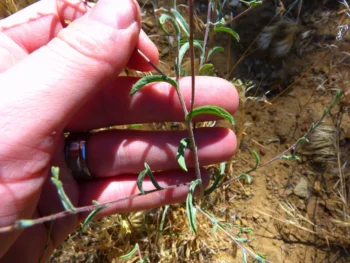
Valley Lessingia: A Hidden Gem for California Native Gardens
If you’re passionate about California native plants and looking to support local ecosystems, valley lessingia (Lessingia glandulifera var. glandulifera) might just be the perfect addition to your native garden. This charming annual wildflower brings authentic California grassland beauty right to your backyard, though it comes with some important considerations every responsible gardener should know.
What is Valley Lessingia?
Valley lessingia is a native California annual forb that belongs to the sunflower family. As a forb, it’s an herbaceous flowering plant that lacks woody stems, completing its entire life cycle in a single growing season. This unpretentious wildflower produces delicate, daisy-like blooms that add subtle beauty to naturalized landscapes.
You might occasionally see this plant listed under its botanical synonym, Lessingia germanorum var. glandulifera, but rest assured—it’s the same charming species.
Where Does Valley Lessingia Grow?
This California native is endemic to the Golden State, where it naturally occurs in the Central Valley’s grasslands and oak woodland areas. Its natural range reflects the Mediterranean climate conditions that many California gardeners are working with, making it well-suited to similar garden environments throughout the state.
- Species observed
- No observations
A Word About Conservation
Here’s where things get important: valley lessingia has a conservation status that gardeners need to respect. With a Global Conservation Status of S4?T3T4, this plant falls into a somewhat uncertain conservation category that suggests some level of concern about its populations. If you’re interested in growing valley lessingia, make sure you source your seeds or plants responsibly from reputable native plant nurseries or seed companies that ethically collect their material.
Why Grow Valley Lessingia?
Despite its conservation considerations, there are compelling reasons to include valley lessingia in your native garden when sourced responsibly:
- Authentic California character: This plant brings genuine Central Valley grassland habitat to your garden
- Pollinator support: The small flowers attract native bees and other beneficial insects
- Low maintenance: As an annual adapted to California’s climate, it requires minimal care once established
- Habitat restoration: Perfect for restoration projects and naturalized areas
Growing Conditions and Care
Valley lessingia thrives in conditions that mirror its natural Central Valley habitat:
- Sunlight: Full sun exposure
- Soil: Well-draining soils; adaptable to various soil types
- Water: Drought-tolerant once established; minimal summer water needed
- Climate: Best suited for USDA hardiness zones 8-10, matching California’s Mediterranean climate
Planting and Garden Design
As an annual, valley lessingia works beautifully in:
- Native wildflower meadows
- Restoration plantings
- Naturalized garden areas
- Mixed native plant borders
Since it’s an annual, plan for valley lessingia to reseed naturally in favorable conditions, or collect seeds responsibly for replanting the following year. Spring is typically the best time for seeding, allowing the plant to establish during the cooler, wetter months before California’s dry summer season.
The Bottom Line
Valley lessingia offers California gardeners a chance to support authentic native ecosystems while enjoying subtle wildflower beauty. However, its conservation status means this isn’t a plant to source casually. If you choose to grow valley lessingia, commit to ethical sourcing and consider it part of your contribution to preserving California’s natural heritage.
For gardeners seeking similar aesthetic and ecological benefits with less conservation concern, consider exploring other California native annuals like California poppies or native lupines that can provide comparable habitat value with more robust populations.