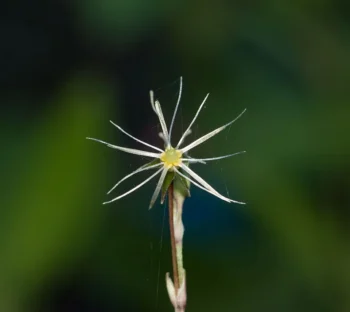
Valley Schiedea: A Rare Hawaiian Treasure Worth Protecting
If you’re passionate about native Hawaiian plants and conservation gardening, you may have heard whispers about valley schiedea (Schiedea nuttallii). This remarkable perennial shrub represents one of Hawaii’s most precious botanical gems – and one of its most endangered.
What Makes Valley Schiedea Special?
Valley schiedea is a native Hawaiian shrub that belongs to an incredibly unique plant family found nowhere else on Earth. This multi-stemmed woody perennial typically grows to about 13-16 feet tall, though it can vary depending on growing conditions. What makes this plant truly special isn’t just its delicate white flowers or its endemic status – it’s the fact that we’re in real danger of losing it forever.
A Plant on the Brink
Important Conservation Alert: Valley schiedea has a Global Conservation Status of S1, meaning it’s critically imperiled. It’s also federally listed as Endangered. This means there are typically only 5 or fewer known occurrences with very few remaining individuals (fewer than 1,000 plants) left in the wild.
If you’re considering adding this plant to your garden, it’s crucial that you only obtain plants through legitimate conservation programs or botanical institutions with proper permits and sustainably propagated specimens.
Where Valley Schiedea Calls Home
This rare beauty is found exclusively in Hawaii, where it grows naturally in dry to mesic (moderately moist) forest environments. Its limited distribution makes every individual plant incredibly valuable for the species’ survival.
- Species observed
- No observations
Growing Conditions and Care
Valley schiedea is adapted to Hawaii’s unique climate conditions, making it suitable only for USDA hardiness zones 10-12. Here’s what this special plant needs:
- Climate: Tropical to subtropical conditions only
- Soil: Well-draining soils that mimic its native forest habitat
- Light: Partial shade to full sun, depending on local conditions
- Water: Drought-tolerant once established, but benefits from occasional deep watering
Is Valley Schiedea Right for Your Garden?
This isn’t a plant for casual gardening. Valley schiedea is best suited for:
- Specialized native Hawaiian plant collections
- Botanical gardens with conservation missions
- Educational landscapes focused on endangered species
- Serious conservation gardeners with proper plant sources
Because of its critically endangered status, this plant requires dedicated care from knowledgeable gardeners who understand native Hawaiian plant cultivation.
The Bigger Picture
While most gardeners won’t have the opportunity to grow valley schiedea, learning about it helps us understand the importance of plant conservation. If you’re interested in supporting Hawaiian native plants, consider:
- Supporting Hawaiian botanical gardens and conservation organizations
- Learning about and growing other native Hawaiian plants that are less endangered
- Advocating for habitat protection in Hawaii
- Participating in citizen science projects focused on rare plant monitoring
A Plant Worth Protecting
Valley schiedea represents the incredible botanical diversity that makes Hawaii unique. While it may not be accessible to most gardeners, its story reminds us why native plant conservation matters. Every endangered species we lose is a piece of natural heritage gone forever.
If you’re lucky enough to live in Hawaii and have access to legitimate conservation programs, growing valley schiedea can be a meaningful way to participate in preserving this remarkable species. Just remember – with great botanical rarity comes great responsibility.
Always source rare native plants responsibly and never collect from wild populations. Contact local botanical institutions or native plant societies for information about conservation growing programs.