Vanilla-Scented Bog Orchid: A Fragrant Arctic Native for Cool Climate Gardens
If you’re looking to add something truly special to your bog garden or wetland landscape, the vanilla-scented bog orchid (Pseudorchis straminea) might just be the perfect choice. This delicate perennial orchid brings both beauty and fragrance to cool, moist gardens while supporting native ecosystems.
What Makes This Orchid Special?
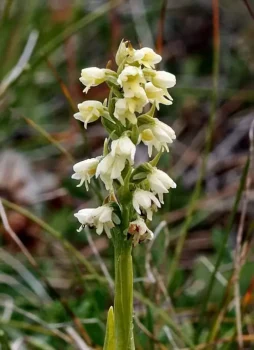
The vanilla-scented bog orchid is a charming native forb that produces small, creamy-white flowers arranged in dense, cylindrical spikes. True to its name, these blooms emit a sweet vanilla fragrance that’s most noticeable in the evening hours. As a perennial herb, this orchid lacks woody tissue and emerges fresh each growing season from underground structures.
This species has several botanical synonyms you might encounter, including Habenaria straminea and Platanthera albida var. straminea, so don’t be confused if you see it listed under different names in older references.
Where It Calls Home
This arctic beauty is native to Canada and Greenland, with confirmed populations in Quebec and Newfoundland. It thrives in the challenging conditions of northern climates, making it an excellent choice for gardeners in extremely cold regions.
- Species observed
- No observations
A Note About Conservation
The vanilla-scented bog orchid has a somewhat uncertain conservation status (S5T3?), which suggests it may have some rarity considerations. If you’re interested in growing this species, it’s crucial to source plants or seeds only from reputable native plant nurseries that ethically propagate their stock. Never collect plants from the wild, as this can harm already vulnerable populations.
Garden Design and Landscape Role
This orchid serves as a specialty accent plant in:
- Bog gardens and wetland landscapes
- Native plant collections
- Cool climate naturalized areas
- Rain gardens in northern regions
Its modest size and specific growing requirements make it best suited for dedicated native plant enthusiasts rather than casual gardeners.
Growing Conditions and Care
The vanilla-scented bog orchid is definitely not a plant for everyone, but if you can provide the right conditions, it’s incredibly rewarding:
Climate Requirements: This orchid is extremely cold-hardy, thriving in USDA hardiness zones 1-4. It actually needs those frigid winters to perform well.
Soil and Moisture: Consistent moisture is absolutely essential – think bog-like conditions with acidic, organic-rich soils that never dry out completely. Good drainage prevents stagnation while maintaining constant moisture.
Light: Partial shade to full sun works well, though some protection from intense afternoon sun in warmer areas of its range is beneficial.
Planting and Care Tips
Successfully growing vanilla-scented bog orchid requires patience and the right setup:
- Plant in spring in consistently moist, acidic soil with plenty of organic matter
- Maintain soil pH between 4.5-6.0 for optimal growth
- Ensure soil never dries out – consider installing drip irrigation or choosing naturally wet areas
- Avoid disturbing established plants, as orchids have sensitive root systems
- Mulch lightly with organic matter to retain moisture and suppress weeds
- Be patient – orchids can take several years to establish and bloom regularly
Wildlife and Pollinator Benefits
The evening fragrance of this orchid serves an important purpose – it attracts moths and other nocturnal pollinators that help ensure the species’ reproduction. By growing this native orchid, you’re supporting these often-overlooked pollinators while preserving a piece of arctic botanical heritage.
Is This Orchid Right for Your Garden?
The vanilla-scented bog orchid is definitely a specialist’s plant. You should consider growing it if you:
- Live in zones 1-4 with naturally cool, moist conditions
- Have experience with native plants or orchids
- Can provide consistent bog-like moisture
- Appreciate subtle beauty and fragrance
- Want to support arctic native plant conservation
However, this orchid might not be the best choice if you’re looking for a low-maintenance plant or live in warmer climates. Its specific requirements and potential rarity status mean it needs dedicated care and responsible sourcing.
For those willing to meet its needs, the vanilla-scented bog orchid offers a unique opportunity to grow a piece of the arctic in your own backyard while supporting native ecosystems and their specialized pollinators.