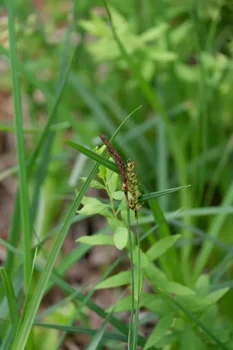
Variable Sedge: A Rare Native Gem for Your Garden
If you’re looking to add a touch of botanical rarity to your native garden, variable sedge might just be the perfect candidate. This unassuming but ecologically important grass-like perennial has a story that makes it worth considering – with a few important caveats.
What Makes Variable Sedge Special?
Variable sedge (Carex polymorpha) is a native perennial that belongs to the sedge family, those grass-like plants that often get overlooked but play crucial roles in our ecosystems. Don’t let its modest appearance fool you – this 2-foot-tall beauty with dark green foliage has earned its place in conservation circles.
As its common name suggests, this sedge is quite variable in its characteristics, which is part of what makes it so interesting to botanists and native plant enthusiasts alike.
Where You’ll Find Variable Sedge
This northeastern native calls twelve states home: Connecticut, Delaware, Maine, Maryland, Massachusetts, New Hampshire, New Jersey, New York, Pennsylvania, Rhode Island, Virginia, and West Virginia. It’s a true regional treasure that has adapted specifically to the conditions found in this part of the country.
- Species observed
- No observations
The Conservation Story You Need to Know
Here’s where things get serious – and why you should pay attention before adding this plant to your shopping list. Variable sedge has a global conservation status of S3, meaning it’s considered vulnerable throughout its range. Even more concerning, it’s listed as endangered in New Jersey with an S1 status.
What this means for gardeners: If you’re interested in growing variable sedge, you absolutely must source it responsibly. Only purchase from reputable native plant nurseries that propagate their own stock rather than wild-collecting. Better yet, consider participating in seed collection programs with local conservation organizations.
Garden Performance and Growing Conditions
Variable sedge might be rare, but it’s not particularly fussy once you understand its preferences:
- Soil: Loves acidic conditions (pH 4.8-6.8) and adapts well to coarse or medium-textured soils
- Moisture: Facultative upland status means it usually prefers non-wetland conditions but can handle some moisture
- Light: Shade tolerant, making it perfect for woodland gardens
- Climate: Hardy in USDA zones 3-7, handling temperatures down to -33°F
- Growth: Slow and steady, reaching about 2 feet tall with a rhizomatous spreading habit
Design Ideas and Garden Roles
Variable sedge shines in several garden situations:
- Native plant gardens where you want to showcase regional biodiversity
- Woodland edges and shaded naturalistic landscapes
- Restoration projects focusing on northeastern ecosystems
- Low-maintenance groundcover areas with acidic soil
Its erect growth form and dense summer foliage make it an excellent texture plant, while its slow growth rate means it won’t overwhelm neighbors.
Wildlife and Ecosystem Benefits
Like most native sedges, variable sedge contributes to ecosystem health in ways that might not be immediately obvious. While it’s wind-pollinated (so not a major pollinator magnet), it provides habitat structure and likely supports specialized insects that depend on native Carex species.
Growing Tips for Success
If you decide to grow variable sedge responsibly:
- Start small: With slow growth and low seedling vigor, patience is key
- Prepare acidic soil: Test your soil pH and amend if necessary
- Choose the right spot: Partial shade with good drainage works best
- Be patient: This isn’t a quick-gratification plant – think long-term landscape building
- Minimal fertilization: It has low fertility requirements, so don’t overdo the nutrients
The Bottom Line
Variable sedge represents an interesting choice for dedicated native plant gardeners who want to support conservation efforts. Its rarity status means you shouldn’t approach it casually – but if you’re committed to responsible sourcing and patient gardening, it can be a meaningful addition to northeastern native landscapes.
Just remember: with great botanical rarity comes great responsibility. Make sure your gardening choices support conservation rather than contributing to the pressures facing this vulnerable species.