Variableleaf Indian Plantain: A Rare Southeastern Native Worth Protecting
If you’re passionate about native plants and conservation, you might want to learn about variableleaf Indian plantain (Arnoglossum diversifolium). This perennial wildflower is a true southeastern treasure, though one that requires our careful attention due to its increasingly rare status.
What Makes This Plant Special
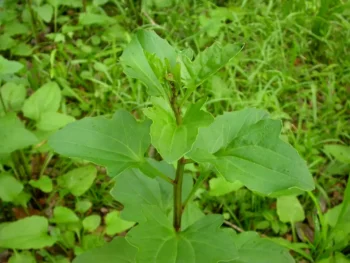
Variableleaf Indian plantain lives up to its name with leaves that come in dramatically different shapes on the same plant – some rounded, others deeply lobed, creating an interesting textural display. As a member of the sunflower family, it produces clusters of small white to pale pink flowers in late summer and fall, creating a delicate, cloud-like appearance that adds subtle beauty to wetland gardens.
This herbaceous perennial is a forb, meaning it’s a non-woody flowering plant that dies back to the ground each winter and returns from its roots each spring.
Where It Calls Home
Variableleaf Indian plantain is native to just three southeastern states: Alabama, Florida, and Georgia. Its limited natural range makes it a truly regional specialty plant.
- Species observed
- No observations
Important Conservation Note
Here’s something every gardener should know: variableleaf Indian plantain is considered imperiled, with a global conservation status of S2. In Alabama, it’s even rarer with an S1 status. This means there are very few populations left in the wild – typically only 6 to 20 occurrences worldwide.
If you’re interested in growing this plant, please only source it from reputable native plant nurseries that propagate their own stock rather than wild-collecting. Never harvest seeds or plants from wild populations.
Growing Conditions
This southeastern native has some specific preferences that reflect its wetland heritage:
- Moisture: Prefers consistently moist to wet soils – it’s classified as a facultative wetland plant
- Light: Thrives in partial shade to full sun
- Soil: Adapts to various soil types as long as moisture levels remain adequate
- Climate: Hardy in USDA zones 8-10, matching its southeastern native range
Perfect Garden Settings
Variableleaf Indian plantain isn’t for every garden, but it shines in the right setting:
- Rain gardens and bioswales
- Native wetland gardens
- Naturalistic landscapes near water features
- Conservation-focused native plant gardens
Benefits for Wildlife
Like many native members of the sunflower family, variableleaf Indian plantain provides nectar for butterflies and native bees during its late-season bloom time. Its flowers are particularly valuable because they provide resources when many other native plants have finished blooming for the year.
Planting and Care Tips
If you’re lucky enough to find responsibly sourced plants or seeds:
- Plant in spring after the last frost
- Ensure consistent soil moisture – this is non-negotiable
- Mulch around plants to help retain moisture
- Allow plants to go to seed to support local wildlife
- Be patient – like many native perennials, it may take a year or two to become established
The Bottom Line
Variableleaf Indian plantain represents both an opportunity and a responsibility for native plant gardeners. Its rarity means that every garden where it thrives helps ensure this species’ survival. However, this also means we must be extra careful about sourcing plants ethically and never disturbing wild populations.
If you garden in the southeastern United States and can provide the moist conditions this plant craves, consider adding variableleaf Indian plantain to your conservation garden. You’ll be growing a piece of southeastern botanical heritage while providing late-season resources for local pollinators.