Variableleaf Springbeauty: A Delicate Native Gem for Your Woodland Garden
Meet the variableleaf springbeauty (Claytonia heterophylla), a charming little native perennial that’s like finding a hidden treasure in the Pacific Northwest’s woodland floors. This delicate beauty might not be the showiest plant in your garden, but it brings something special to those quiet, shaded corners where many other plants struggle to thrive.
What Makes Variableleaf Springbeauty Special?
This lovely native forb is a true child of the Pacific Northwest, naturally calling Oregon home. As a perennial herbaceous plant, it returns year after year without the woody stems of shrubs or trees. The variableleaf part of its name gives away one of its most interesting features – the leaves can vary quite dramatically in shape, from heart-shaped to more elongated forms, sometimes even on the same plant!
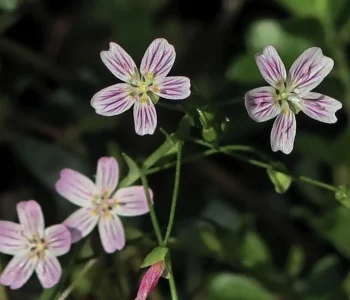
The plant produces delicate white to pale pink flowers in early spring, creating carpet-like displays that seem to glow in dappled woodland light. These early bloomers are particularly valuable because they provide nectar when few other flowers are available.
Where Does It Grow?
Variableleaf springbeauty is native to Oregon, where it naturally inhabits moist woodland environments and shaded areas. This limited native range makes it a true regional specialty.
- Species observed
- No observations
A Word About Rarity
Here’s something important to know: variableleaf springbeauty has a conservation status that suggests it may be somewhat uncommon in the wild. If you’re interested in growing this native gem, please make sure to source it from reputable native plant nurseries that propagate their own stock rather than collecting from wild populations. This helps protect natural stands while still allowing gardeners to enjoy this special plant.
Why Grow Variableleaf Springbeauty?
There are several compelling reasons to consider adding this native to your garden:
- It’s perfectly adapted to Pacific Northwest conditions
- Provides early nectar for small pollinators and beneficial insects
- Thrives in challenging shady spots where other plants struggle
- Low maintenance once established
- Adds authentic local character to native plant gardens
- Beautiful ground cover for woodland settings
Perfect Garden Spots
Variableleaf springbeauty shines in:
- Native plant gardens
- Woodland gardens
- Shaded rock gardens
- Naturalized areas under trees
- Rain gardens (in shadier spots)
Growing Conditions and Care
This woodland native appreciates conditions similar to its natural habitat:
- Light: Partial to full shade (morning sun is okay)
- Soil: Moist, well-draining, rich in organic matter
- Hardiness: USDA zones 6-9
- Water: Consistent moisture, especially during growing season
Planting and Care Tips
The good news is that variableleaf springbeauty is relatively low-maintenance once you get it settled in:
- Plant in fall or early spring when temperatures are cool
- Amend soil with compost or leaf mold to mimic forest floor conditions
- Mulch around plants to retain moisture and suppress weeds
- Water regularly during the first growing season
- Don’t worry if it goes dormant during hot, dry summer weather – this is natural
- Avoid fertilizers; this native prefers lean, organic-rich soil
The Bottom Line
Variableleaf springbeauty might not be the loudest plant in your garden, but it’s definitely one of the most authentic if you’re gardening in Oregon. Its early spring flowers, variable leaf shapes, and ability to thrive in challenging shaded spots make it a valuable addition to native plant collections. Just remember to source it responsibly from reputable nurseries, and you’ll be supporting both your local ecosystem and conservation efforts.
If you’re looking to create a truly Pacific Northwest garden that supports local wildlife and celebrates regional plant heritage, variableleaf springbeauty deserves a spot in your woodland paradise.